
Review · CHOCOLATE MUSEUMS
Colmar: Chocolate Museum Entrance Ticket
Chocolate gets the full theater treatment at Choco-Story COLMAR. You start in a tropical forest, meet a cocoa-eating monkey, enter an Aztec temple with Quetzalcoatl, then sail toward Europe aboard a creaking 16th-century Spanish ship. The story moves through time without asking you to read a wall of dense text.
I like the mix of hands-on displays and tastings, and I like that the museum explains both chocolate-making and chocolate-drinking customs. The virtual demonstration with three master chocolatiers adds practical appeal, though anyone expecting a live guide or a full workshop should know this is a self-guided museum visit.
Key points
- A 5,000-year chocolate story: Follow cocoa from tropical cultivation and Aztec belief to European courts and modern factories.
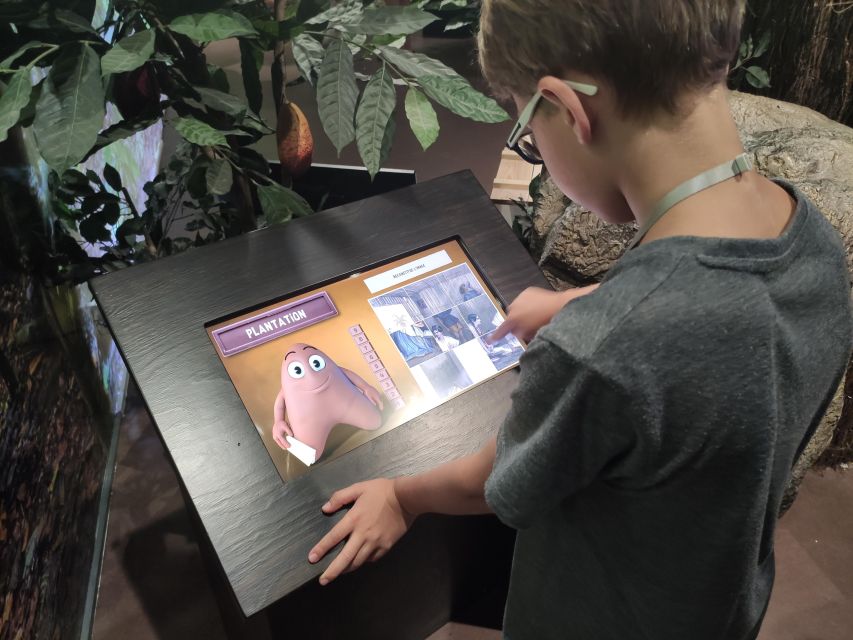
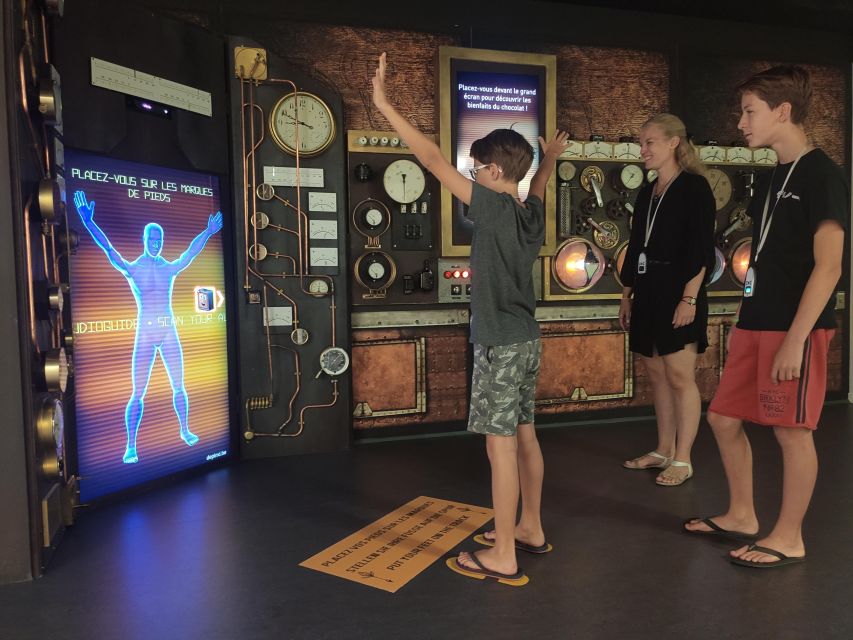
- Thirty interactive experiences: Films, 3D projections, moving scenes, and hands-on displays keep the visit active.
- A virtual trio of chocolatiers: Watch three professionals explain recipes and techniques on screen.
- Chocolate samples along the route: Tastings give the historical material a delicious purpose.
- Useful for mixed-age groups: The playful sets suit children, while the historical sections give adults plenty to consider.
- Audio support in six languages: Chinese, English, French, German, Dutch, and Spanish are available.
A Chocolate Museum That Tells a Story
At about $14 per person, this is a reasonably priced indoor activity in Colmar, especially if you want something beyond streets, canals, and old buildings. You receive entry, samples, the virtual demonstration, and an audio guide, with no extra charge listed for those parts.
The visit is valid for one day, so you have room to fit it around the rest of your plans. The exact starting time depends on availability, and the experience is self-guided rather than led by a live expert.
That difference matters. A live guide can answer questions and adjust the pace. Here, you control the visit and can spend longer at a display that catches your attention. I find that a good trade for families, independent visitors, and anyone who prefers not to move in a fixed group.
The museum uses several forms of storytelling at once. You will find films, 3D projections, sound effects, staged environments, and tasting points. The result feels more like a sequence of short scenes than a traditional museum tour.
More Chocolate Museums in France
- Paris: Entrance Ticket to the Chocolate Museum
★ 4.1 · 1,105 reviews - Paris: 45-minute Chocolate Making Workshop at Choco-Story
★ 4.4 · 444 reviews - Choco-Story Paris – The Chocolate Museum
★ 4.0 · 183 reviews
Beginning in the Tropical Cocoa Forest
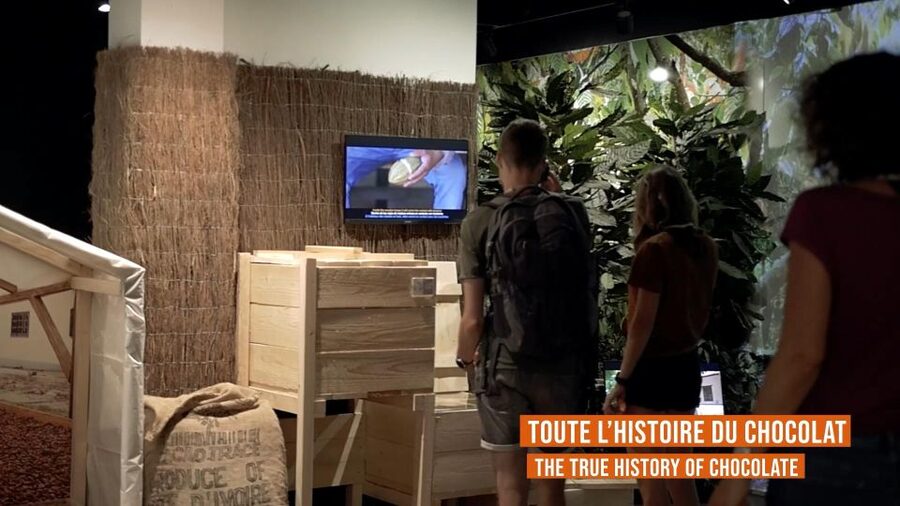
The route opens in a tropical forest setting. A small monkey eating cocoa pods helps explain where chocolate begins, long before it appears as a bar, truffle, or hot drink.
This first section is useful because it puts the plant back into the picture. Chocolate is often presented as a finished food, but cocoa starts with a tree, a pod, and the work of harvesting. The forest setting gives younger visitors an easy way into the subject, while the audio guide can add more detail for adults.
You should not expect a botanical lesson with extensive agricultural data. The point is to establish the starting place of cocoa and show that chocolate has a long journey before it reaches a European kitchen.
The setting is also a good example of the museum’s approach. You are not simply reading about a tropical origin. You are placed inside a designed scene, with visual details and a short narrative to follow. If you enjoy museums that use atmosphere and motion, this opening should hold your attention.
Meeting Quetzalcoatl in the Aztec Temple
From the forest, the route moves into an Aztec temple. Here you meet Quetzalcoatl, the serpent god connected with the legend that cocoa was introduced to humanity.
This section brings belief and chocolate together. It helps explain that cocoa was not always treated as a casual sweet. Its meaning changed according to the culture using it, and its place in ceremony and daily life was tied to stories, status, and tradition.
I like this stop because it avoids presenting chocolate as a purely European invention. The museum makes clear that the European chocolate story begins only after cocoa already had a long cultural life in the Americas.
The display uses theatrical presentation rather than a quiet archaeological gallery. That makes it accessible, but it also means you should treat the legend as part of cultural history, not as a literal account of chocolate’s origin. The next section then shifts from myth and ritual to trade and travel.
Sailing to Europe on a 16th-Century Ship
The following room places you aboard a Spanish ship. The floor creaks, the lamps move, and the windows show the sea as cocoa makes its way toward Europe in the 16th century.
This is one of the more memorable transitions in the museum because it gives physical movement to the story. You can understand the distance cocoa traveled without relying only on dates and names. The ship setting also marks a major change: cocoa is no longer just a local crop or sacred ingredient. It becomes part of a wider exchange between continents.
The museum does not frame this as a simple tale of discovery. The sequence connects cocoa with the movement of goods and ideas across the Atlantic. That context gives more weight to the later European sections.
You will likely move through this area fairly quickly, but the sound and visual effects make it a useful bridge between the ancient world and the European court. If you prefer museums with original artifacts and long explanatory labels, this may feel light. If you want a clear, easy-to-follow account, it works well.
Same city, a different tasting:
- Paris French Sweets Tasting Tour with Pastries and Chocolates
★ 4.5 · 947 reviews - A Morning in Paris Food Tour: Croissants, Baguettes & Chocolate
★ 5.0 · 556 reviews - Saint-Germain: Gourmet Chocolate & Pastry Walking Food Tour
★ 4.8 · 495 reviews - Paris Chocolate, Macaron & Pastry Food Tour: 10 Gourmet Tastings
★ 5.0 · 339 reviews
Chocolate at the European Courts
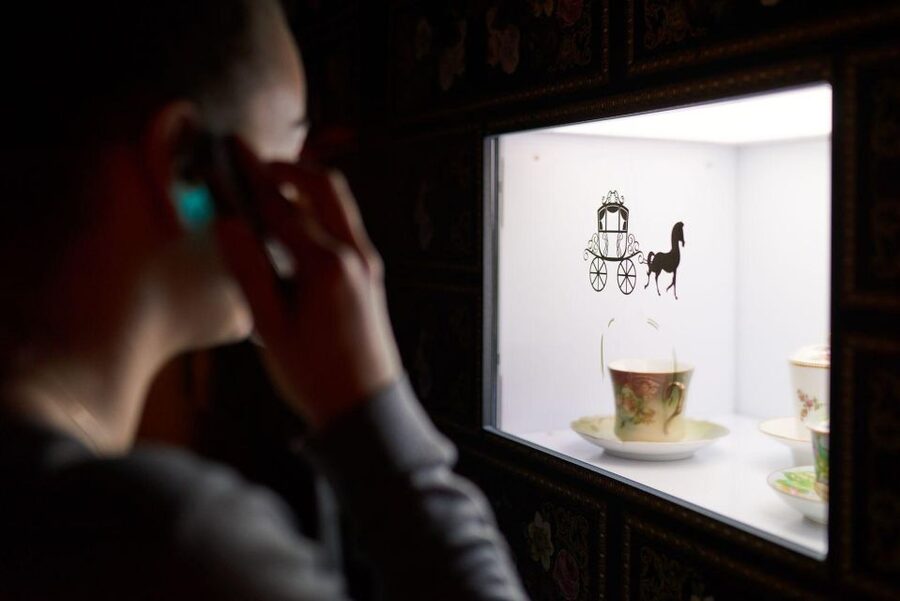
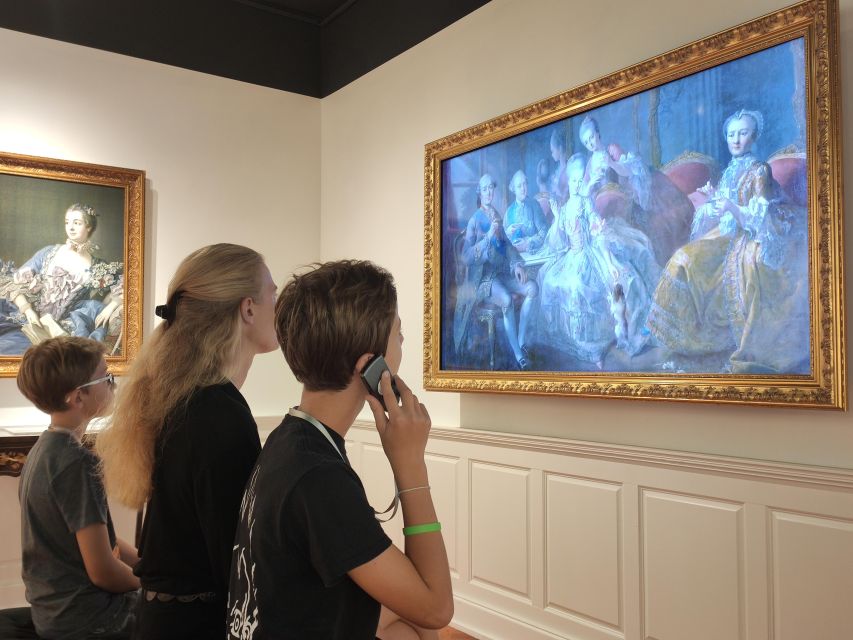
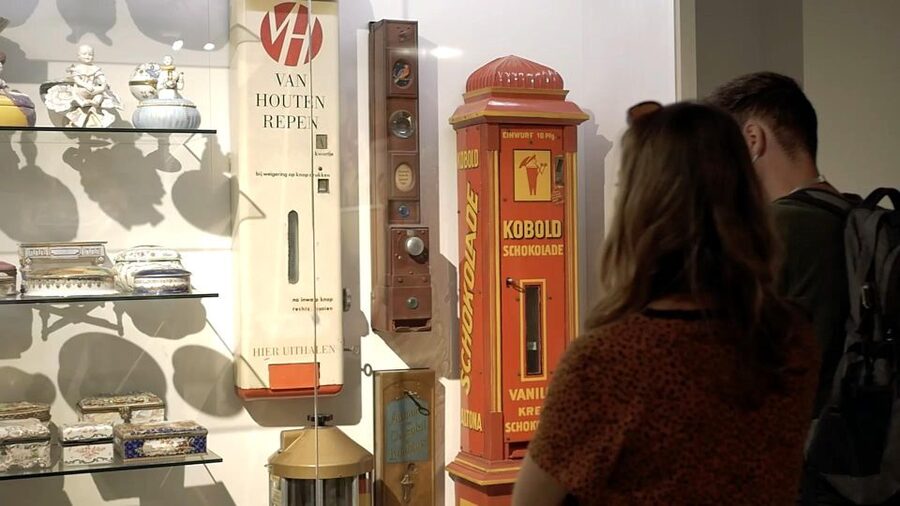
A century later, chocolate reaches European courts. The museum turns to the equipment used for drinking this costly new beverage and explains how chocolate became associated with luxury.
This is where the story shifts from cocoa as a crop to chocolate as a social product. The tools and serving customs show that people once treated chocolate as a special drink, not as the everyday snack it is today.
You can also try historical flavors from the period. That tasting is important because it makes the past easier to understand. Old recipes and drinking habits can sound abstract until you taste the difference for yourself.
Do not expect every flavor to suit a modern sweet tooth. Historic chocolate traditions were not necessarily built around the smooth, sugary profile many people expect now. The tasting is valuable precisely because it lets you compare past preferences with current ones.
I like this section for its practical detail. It shows that food history is also social history. Who could afford cocoa, how it was served, and what equipment was needed all tell you something about status and daily life.
Chocolate as Medicine, Belief, and Fashion
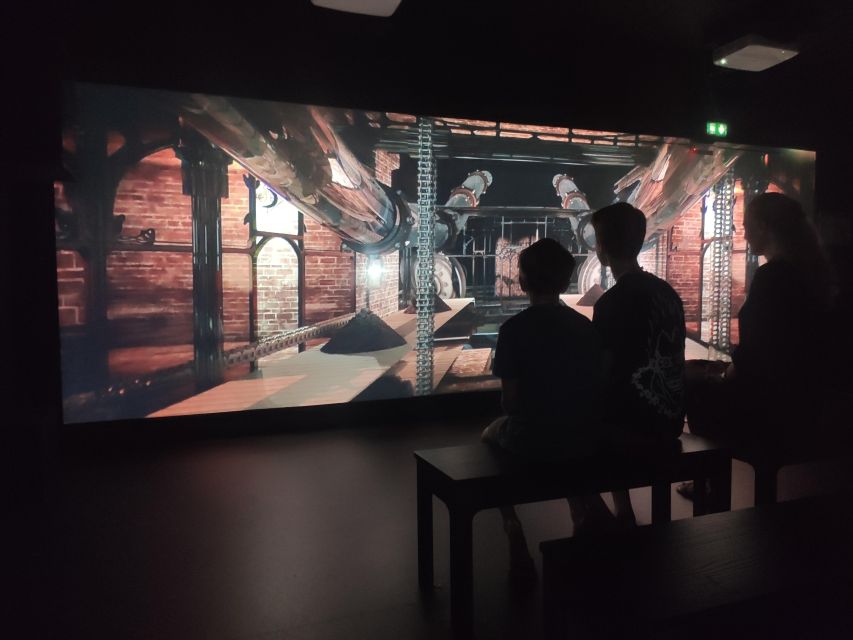
The museum next examines the idea of chocolate as medicine. You will see the beliefs surrounding cocoa’s supposed benefits, along with the facts and misunderstandings attached to those claims.
This is a useful pause in the story because chocolate has long been sold as more than a treat. People have credited it with various health effects, and the museum separates historical belief from what can be supported.
The section is best approached with a little skepticism. A historical claim can be interesting without being medical advice. You can enjoy learning why people trusted chocolate as a remedy while keeping modern health decisions separate from the exhibit.
This part also explains why chocolate became so powerful as a cultural product. It was not only sweet. It was exotic, expensive, fashionable, and linked to ideas about well-being. Those associations helped chocolate move from a rare drink for the wealthy toward a mass-produced food.
The Second Floor and Alsace’s Chocolate Makers
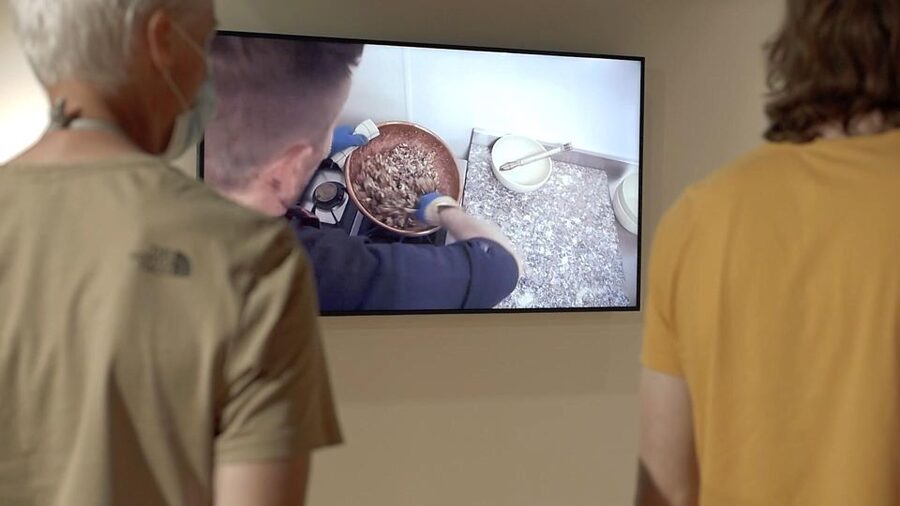
The second floor turns toward industrialization and the chocolatiers who helped make Alsace one of France’s major chocolate-producing areas. This is the museum’s regional chapter.
That local focus adds value to a visit in Colmar. You are not just hearing a general story that could belong in any chocolate museum. The displays connect industrial production and confectionery with the region around you.
Industrialization changed almost everything about chocolate. Factory methods made production faster and more consistent, and chocolate became available to far more people. At the same time, the craft of the chocolatier remained important, particularly in the creation of recipes, fillings, shapes, and finishing techniques.
The museum uses this section to show both sides of that development. Machines and industrial methods explain scale, while the work of individual chocolatiers explains skill. If you are interested in Alsace’s food traditions, this regional angle is one of the stronger reasons to include the museum in your plans.
The second floor may feel more information-heavy than the playful opening rooms. Families with young children may need to keep the pace moving. Adults who enjoy food production and local history will likely want more time here.
Watching Three Master Chocolatiers at Work
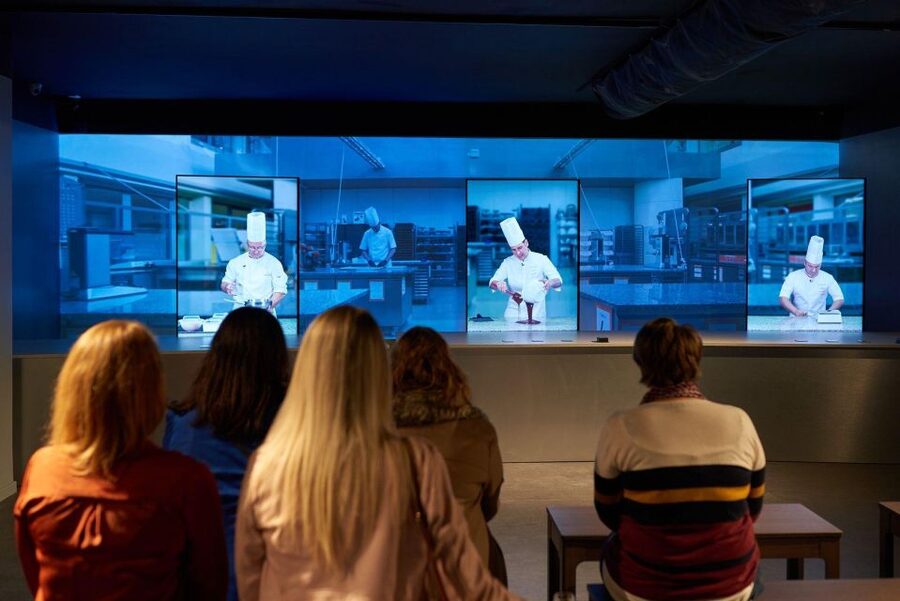
The virtual demonstration brings three master chocolatiers onto the screen. They present recipes and explain the tricks behind making polished chocolates.
This is not a live class, so you will not be tempering chocolate yourself or asking the presenters questions. Still, the format lets you see techniques that are hard to communicate through static displays. The recipe focus gives the visit a practical finish.
I would pay attention to the small working details rather than treating the presentation as a cooking show. The point is to see how professionals approach ingredients, preparation, and presentation. You may leave with a better idea of why handmade chocolate requires more control than simply melting and shaping a bar.
Because the demonstration is virtual, the pace is set by the program rather than by a person in the room. That makes it easy to follow, but it lacks the spontaneity of a live chocolatier standing in front of you.
The three-person format is still useful. You get more than one professional viewpoint, and the recipes help connect the museum’s historical story with the chocolate you eat today.
Tasting Chocolate Along the Way
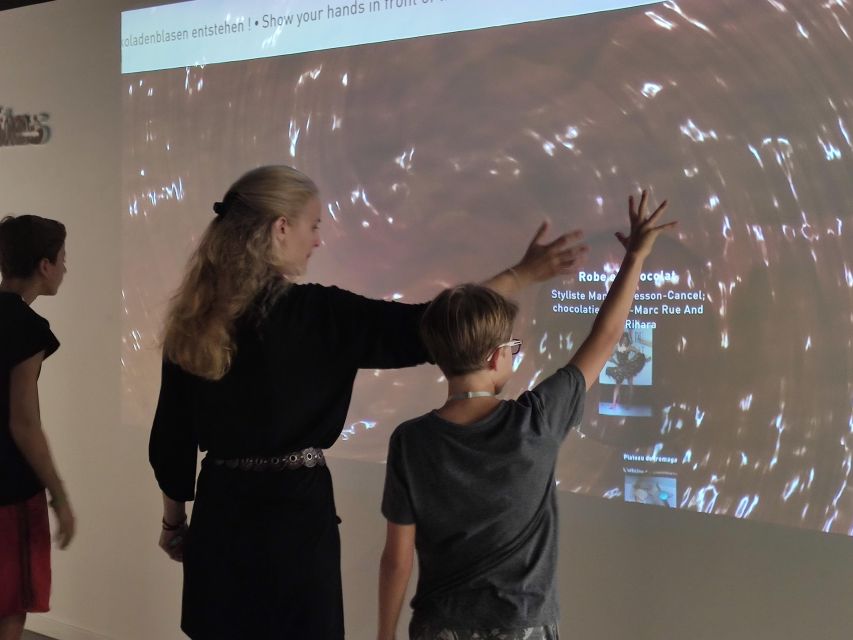
Samples are included, and tastings appear throughout the route. This is a central part of the experience, not a minor extra.
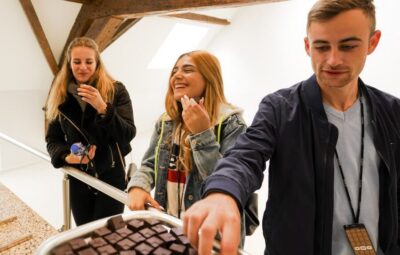
The samples help you compare styles and periods as you move through the museum. A historical flavor means more when you can taste it. A modern confection means more when you have already seen the ingredients, tools, and production methods behind it.
The tastings also make the museum more appealing to families and mixed-age groups. Children can enjoy the edible side of the visit, while adults can follow the cultural and industrial story.
Keep your expectations sensible. This is a museum visit with samples, not an unlimited chocolate buffet. The value comes from how the tastings fit the displays rather than from the sheer amount of food.
One practical detail is worth noting: the final hot chocolate could use improvement, according to one recent French-language assessment of the experience. That is a small point, but it may shape your expectations if you are especially interested in ending the visit with a drink.
How Long to Allow and Who Will Enjoy It
The ticket is valid for one day, but the information provided does not give a fixed length for the visit. Plan enough time to move through the rooms without rushing, especially if you want to use the audio guide and stop at the tastings.
The museum is a good fit for:
- Families looking for an activity with movement, sound, and food
- Adults interested in culinary history and European court customs
- Chocolate fans who want more context than a shop can provide
- Visitors needing an indoor plan in Grand Est
- People who prefer to explore independently
It may be less suitable if you want a quiet art museum, a live cooking lesson, or a detailed academic study of cocoa farming. The experience is designed to be lively and accessible. Some historical points are presented through spectacle rather than long-form analysis.
A reported rating of 4.5 from 187 reviews supports the idea that the format works for a broad audience. The most consistent strengths are the range of formats, the clear explanations, the interactive design, and the way the visit works for both children and older adults.
Audio Guides, Languages, and Access
The audio guide is available in Chinese, English, French, German, Dutch, and Spanish. That makes the visit easier to follow if you are not comfortable reading French exhibit text.
The host or greeter language options include the same broad range of Chinese, English, French, German, Spanish, and Dutch. Since no live guide is included, treat this as language support for arrival and orientation rather than a promise of a guided tour.
The museum is wheelchair accessible. That makes it a practical choice for visitors who need an accessible indoor attraction, though you may still want to confirm current access arrangements before booking if you have specific mobility requirements.
You can cancel up to 24 hours before the visit for a full refund, and the reserve-now, pay-later option lets you keep your plans flexible. Those terms are useful in Colmar, where weather and changing day plans can affect your choice of indoor activities.
Is the $14 Ticket Good Value?
At $14, the ticket offers more than simple entry. You get a themed route, 30 chocolate experiences, samples, a virtual demonstration, and multilingual audio support.
The price looks strongest when you want a one-stop introduction to chocolate. You do not need to arrange a separate tasting, film, or demonstration. The museum combines all three with regional history and production information.
The value is less clear for someone who wants a serious workshop. There is no live guide listed, and you do not take part in a hands-on chocolate-making class. You are paying for interpretation, atmosphere, and tasting rather than personal instruction.
I would also compare the price with your own interests. If chocolate is a major part of your trip, this is an easy choice. If you are in Colmar for only a few hours and mainly want architecture and canals, you may prefer to spend that time outdoors.
Should You Book Choco-Story COLMAR?
Book it if you want an accessible, interactive look at cocoa and chocolate, especially with children or a mixed-age group. The strongest parts are the changing environments, the clear route from cocoa tree to European court to Alsatian factory, and the tastings that give the story a physical connection.
Skip it if you require a live expert, a full chocolate workshop, or a large collection of original objects. The museum favors films, projections, staged rooms, and virtual presentation.
For about $14, I consider it a sensible indoor addition to a Colmar itinerary. Give it a place on your schedule when you want food history with a bit of theater, and remember that the experience is self-guided, educational, and tasting-focused rather than a professional cooking class.
FAQ
Where is the Chocolate Museum experience located?
It is located in Colmar, in the Grand Est region of France. The experience provider is Choco-Story COLMAR.
How much does admission cost?
The listed price is $14 per person.
How long is the ticket valid?
The ticket is valid for one day. Starting times depend on availability.
What does the visit include?
Admission, chocolate samples, a virtual demonstration, and an audio guide are included.
Is there a live guide?
No live guide is included. The visit is supported by an audio guide and a host or greeter.
Which audio guide languages are available?
The audio guide is available in Chinese, English, French, German, Dutch, and Spanish.
How many interactive chocolate experiences are included?
The visit includes 30 chocolate experiences using formats such as films, 3D projections, tastings, and interactive displays.
Is the museum wheelchair accessible?
Yes, the experience is listed as wheelchair accessible.
Can I cancel my booking?
Yes. You can cancel up to 24 hours in advance for a full refund. You can also reserve now and pay later.
Newest chocolate tours around France
- Bordeaux: Chocolate and Pastry Food Tasting Tour★ 4.9 · 40 reviews
- 2h immersive tasting in Beaujolais – Wine and Chocolate Accord★ 5.0 · 5 reviews
- Paris Marché d’Aligre Walking Tour with Chocolate and Cheese Tasting★ 3.5 · 24 reviews
- Paris Chocolate and Pastry Private Tour With Secret Food Tours★ 5.0 · 44 reviews
- tasting workshop of 6 to 8 wines with charcuterie chocolate cheese★ 5.0 · 48 reviews
- Paris : 45 min Chocolate Workshop at Choco-Story Paris★ 4.0 · 51 reviews
- Paris: Choux Pastry and Chocolate Éclair Making Class★ 4.9 · 50 reviews
- Paris: Pure Chocolate Walking Tour★ 4.7 · 52 reviews
Chocolate Museums, compared.
Choco-Story Brussels: Chocolate Museum Entrance with Tasting
Read our review →
Chocolate Workshop in Chocolate Museum w/ Tasting
Read our review →
Choco-Story Chocolate Museum Guided Tour w/Tastings
Read our review →
Guided Walking Tour and Chocolate Museum Ticket
Read our review →
45-minute Chocolate Making Workshop at Choco-Story
Read our review →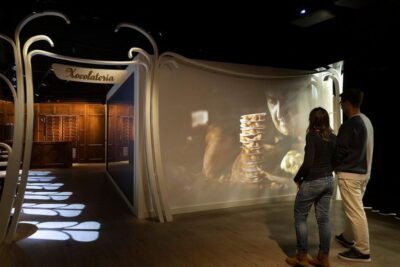
Browse the lists this tour appears in