
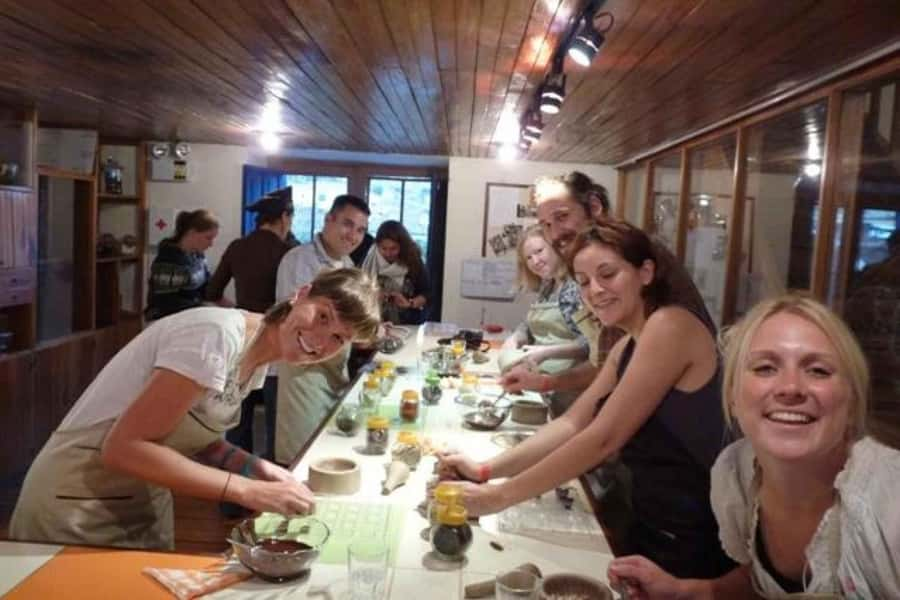
Review · BEAN-TO-BAR CHOCOLATE TOURS
Cusco: Bean to bar chocolate workshop
Cusco’s chocolate workshop gets you past the polished bar and back to the cacao bean itself. In two hours, you roast beans, remove their husks, grind the nibs on a metate, refine the paste, and turn the result into handmade chocolate.
I like two things here: you make the chocolate with your own hands, and you leave with a bar shaped to your taste. The workshop also includes hot chocolate made from cacao paste, plus Maya and conquistadores drinks. The main consideration is that this is a hands-on class, not a long museum visit or a full meal, so chocolate fans will get the most from it.
Key points
- Four traditional chocolate-making steps: Roast the beans, remove the husk, grind the nibs on a metate, and refine the cacao paste in a melangeur.
- A hands-on Cusco activity: You do the work instead of only watching a demonstration.
- Your own organic chocolates: Mold a chocolate bar and choose ingredients to suit your taste.
- Hot chocolate from your own cacao paste: The class connects the raw bean with the finished drink.
- Maya and conquistadores drinks: These add a cultural and historical angle to the tasting.
- A compact two-hour plan: It fits neatly beside sightseeing in Cusco.
From cacao tree to chocolate bar in two hours
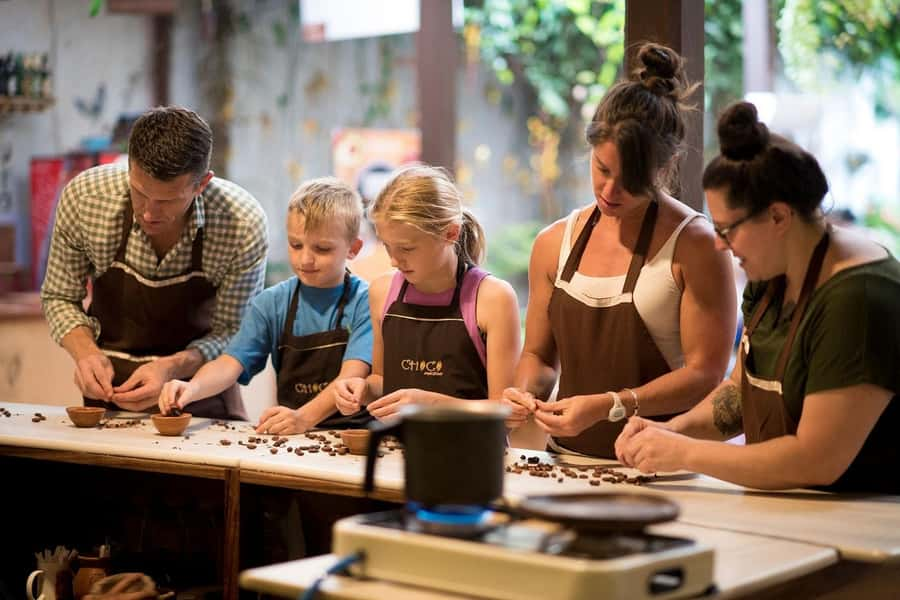
This experience follows the path of cacao from bean to finished chocolate. That simple structure makes the workshop easy to follow, even if you know little about chocolate before arriving.
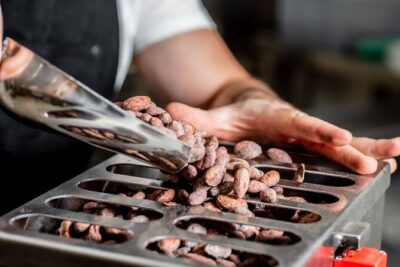
You begin with the raw material and work through the main stages yourself. The class covers roasting, removing the cacao husk, grinding cacao nibs, and refining the paste. Each step changes the texture and flavor, so you can see why a finished chocolate bar takes more work than melting a piece of candy.
The session is described as an interactive tour of a chocolate workshop and museum. English and Spanish are available, so confirm your preferred language when booking. No guide names are provided, but a live guide leads the class and explains the process as you work.
The two-hour length is useful for a busy Cusco schedule. You can place it between sightseeing plans without giving up half a day. At the same time, the class has enough time for several practical stages instead of reducing chocolate-making to a quick tasting.
More Bean-to-Bar Chocolate Tours in the world:
- 1.5h Belgian Chocolate Workshop in Brussels (bean to bar)
★ 4.5 · 462 reviews - Bean to Bar Chocolate Workshop in Puerto Vallarta
★ 5.0 · 381 reviews - Bean to Bar Chocolate Workshop in Barcelona
★ 5.0 · 172 reviews
Roasting cacao beans, the first real transformation
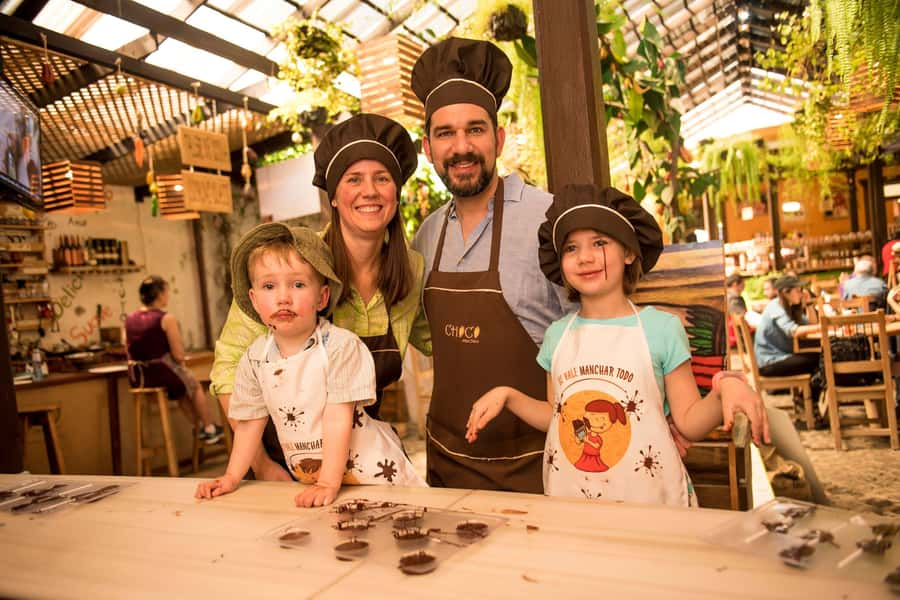
Roasting is where the beans begin to smell and taste more like the chocolate you know. In this class, you roast the cacao beans yourself rather than beginning with a prepared paste.
That hands-on start gives you a better sense of the raw ingredient. You are not simply told that chocolate comes from cacao. You take part in the first major change from bean to something ready for grinding.
The details of the roasting method are not provided, so you should expect instruction from the guide rather than a technical lesson on temperatures and timing. The value is in seeing the process in order and understanding how the bean changes before it reaches the next stage.
This part can be especially useful for families and curious first-time learners. It gives children a clear task, while adults get a practical explanation of how cacao is prepared. The class is not presented as a professional chocolatier course, so keep your expectations at the level of an informative workshop.
Removing the husk and finding the cacao nib
After roasting, you remove the cacao husk. The husk is the outer covering of the bean, while the nib is the part used to make the chocolate paste.
This step looks basic, but it helps explain why cacao needs preparation before it can become chocolate. You get to handle the bean and separate the parts instead of seeing only a finished product in a shop.
The class then moves to grinding the cacao nibs on a metate with a mano. This is one of the most distinctive parts of the session because it uses a traditional grinding method associated with the Aztecs.
A metate is a stone grinding surface, and the mano is the hand-held stone used with it. The movement is more physical than using a modern machine, and that is the point. You get a clear feel for the labor involved in turning nibs into a smooth paste.
I like this stage because it links a modern chocolate workshop with an older food tradition. It also keeps the class from feeling like a simple tasting counter. You are handling the cacao at a stage when it is still earthy and coarse, before it becomes sweet and familiar.
Refining cacao paste in a melangeur
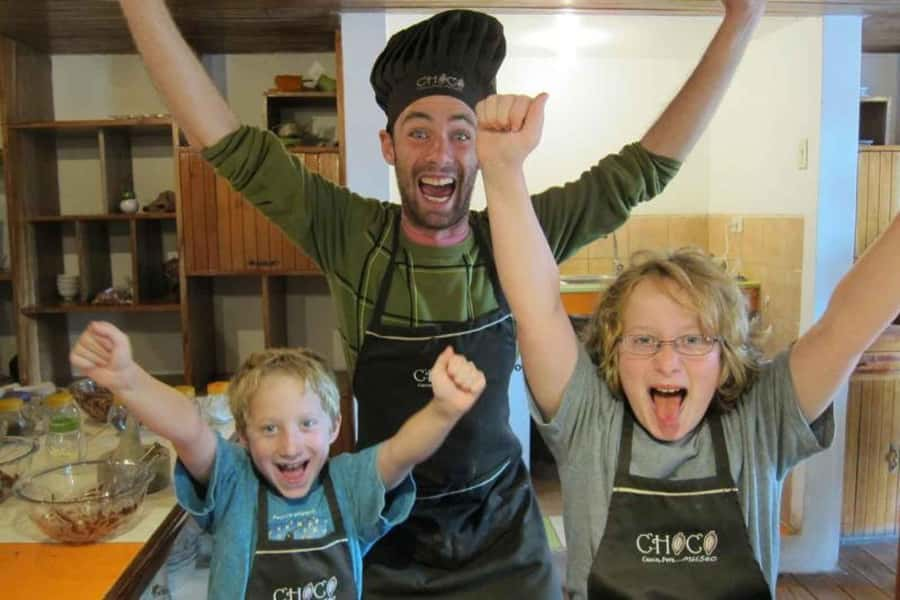
The fourth process is refining the cacao paste in a melangeur. This machine works the ground cacao into a smoother mixture, helping move it toward the texture used for chocolate.
The metate shows the traditional side of the process. The melangeur shows how the paste is refined with modern equipment. Putting the two steps together gives you a useful comparison between hand grinding and machine refining.
The workshop does not provide a full technical breakdown of the melangeur, so you will not leave with a professional production manual. You will, however, understand the basic order of the work and why grinding alone does not produce the final texture.
This sequence is the strongest reason to choose the class over a standard chocolate tasting. A tasting tells you what the product is like. Here, you see how the product changes at each stage and then taste the result in drinks and chocolate.
More Chocolate Making Workshops in the world:
- Vienna: Chocolate Workshop in Chocolate Museum w/ Tasting
★ 4.5 · 1,802 reviews - Brussels: Belgian Chocolate Making Workshop with Tastings
★ 4.7 · 1,629 reviews - Brussels: 2.5-Hour Belgian Chocolate Making Workshop
★ 4.8 · 933 reviews - Belgian Chocolate Workshop in Bruges
★ 5.0 · 660 reviews
Hot chocolate made from cacao paste
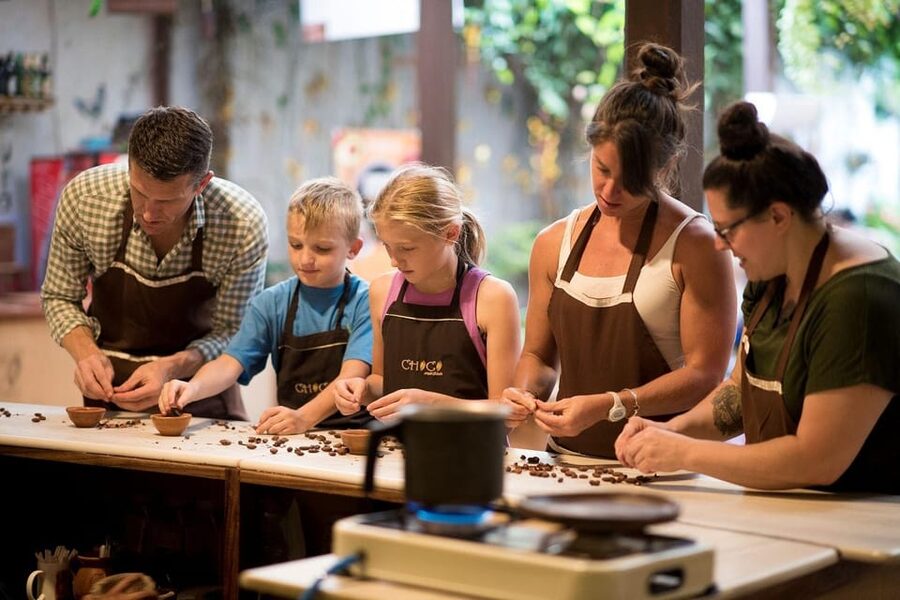
One particularly good feature is the hot chocolate portion. You do not only make a bar to take home. You also use the cacao paste you worked with to prepare hot chocolate.
That makes the lesson practical. You can connect the roasted bean, the ground nib, and the refined paste with a drink you can enjoy during the class. A recent participant specifically valued roasting, peeling, and grinding the cacao before making the hot chocolate, and that sequence is worth noting when you decide what kind of workshop you want.
The hot chocolate also gives the class a natural break after the more active preparation. You can taste the results before moving on to molding your own chocolate.
The description does not specify the recipe, sweetness, milk, or other ingredients used in the hot chocolate. If you have a strong preference, ask the guide what options are available. Do not assume every preparation will match the style you usually drink at home.
Maya and conquistadores drinks
The workshop includes drinks called Maya and conquistadores. Their inclusion adds a cultural layer to the chocolate lesson, rather than treating cacao as only a modern snack.
The names point to different periods and traditions connected with cacao. The available details do not explain the exact ingredients or preparation of either drink, so you should ask the guide for that information during the tasting.
This is a small but worthwhile part of the experience. The drinks give you another way to compare cacao beyond the finished bar. They also help explain that chocolate has not always been served in the same form or with the same flavors.
If you mainly want to make a chocolate bar, these drinks are an added benefit. If you want a full historical talk about Maya and Spanish cacao traditions, keep your expectations measured. The activity is a workshop with museum and cultural elements, not a dedicated academic lecture.
Molding your own organic chocolate
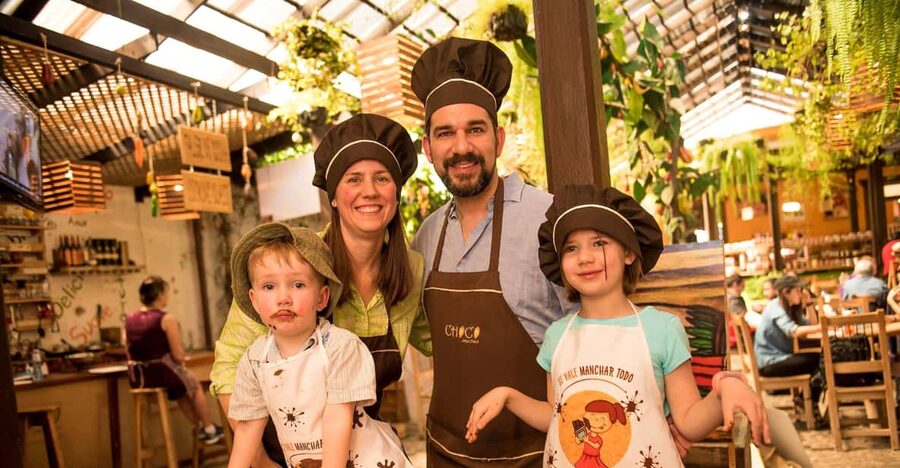
The final creative step is molding your own chocolate bar. You choose ingredients according to your taste, then shape the chocolate for yourself.
This is where the workshop becomes personal. You are not handed an identical souvenir made in advance. Your finished bar reflects the choices you make in the class, at least within the ingredients offered by the workshop.
The chocolate is described as organic, and you can take your handmade chocolates home. That makes the experience a useful souvenir for anyone who prefers something edible and connected to the place.
There is one practical risk: you may eat the chocolate before you leave. The class allows that, in spirit if not as an official instruction. If you want to bring it home, protect it from heat and pack it carefully. The supplied details do not state the packaging method or storage advice, so ask before leaving if you are traveling onward.
The custom element also makes this a good choice for a small gift. You can explain that you roasted, peeled, ground, and refined the cacao before molding the bar. That story gives the souvenir more meaning than a bar bought from a shop.
Why Cusco is part of the chocolate lesson
The workshop explains the history of cacao and why Cusco makes some of the world’s finest chocolate. The important point is not simply the claim about quality. It is the chance to connect a local food product with the place you are visiting.
Cusco is often treated as a base for major archaeological and mountain trips. A chocolate class gives you a quieter activity centered on food, craft, and local production. It can fill a shorter block in your schedule without competing with a full-day trip.
The workshop and museum setting should also help you understand chocolate beyond the finished product. You learn where cacao begins, how it is prepared, and how it becomes a drink or bar.
The available information does not name a particular farm, cacao variety, or growing community. Do not book this expecting a plantation visit. The focus is the transformation process inside the workshop.
How much value does the two-hour class offer?
No tour price is supplied, so I cannot judge the exact value against a specific fee. I can judge what you receive for the time: guided instruction, practical work across four processes, hot chocolate, additional cacao drinks, and handmade chocolates to take home.
That is a solid package for someone who wants more than a tasting. The included chocolate souvenir matters because part of the cost supports an activity you make yourself, not only food consumed on the spot.
The value is weaker if you want a long museum visit, a complete meal, or a detailed farm-to-market study. The class lasts two hours, and the published plan centers on chocolate preparation and tasting.
I would compare the price with other short food workshops in Cusco, then ask whether the take-home bar and hands-on work matter to you. For a chocolate fan, the class offers a clear experience. For someone already planning several cooking or tasting activities, the choice may depend on how much cacao you want in your itinerary.
Who will enjoy this Cusco chocolate workshop?
I would recommend it to:
- Chocolate lovers who want to understand the work behind a finished bar.
- Families looking for a short, practical activity in Cusco.
- Couples and friends who want a souvenir they make together.
- Curious food travelers who enjoy traditional tools and local products.
- Visitors with a free two-hour window between larger Cusco plans.
It may be less suitable for you if you dislike tasting, do not want to handle food, or are seeking a long cultural tour with extensive historical detail. The class is active, but it is not a strenuous excursion. Its appeal comes from the process, not from grand scenery or a major archaeological site.
Because the guide speaks English or Spanish, you should have a workable option for instruction in either language. If your booking depends on a specific language, confirm it before paying.
Booking tips for a smooth visit
Use a phone number with the full country code and make sure you have WhatsApp. The supplier uses those details for contact, and an incorrect number could make it harder to coordinate your visit.
For a last-minute booking, check availability with the supplier by email before reserving. This is especially important if your Cusco schedule is already tight.
The activity offers free cancellation up to 24 hours before the start time for a full refund. You can also reserve now and pay later, which helps if you are still arranging other parts of your Peru trip.
Starting times vary, so check availability for the date you want. The class is listed at two hours, but leave enough space around it for arriving, finishing, and getting to your next plan.
No pickup, transportation, group size, or accessibility details are provided. If any of those points affect your decision, ask the supplier before booking rather than guessing.
Should you book the Cusco bean to bar workshop?
Book it if you want a short, hands-on food experience that explains cacao from roasted bean to finished bar. The metate and mano work, the hot chocolate made from cacao paste, and the chance to mold your own organic chocolate give the class more substance than a simple tasting.
I would skip it if your schedule is packed with full-day trips or if you want a large museum with extensive exhibits. But for a two-hour break in Cusco, this is a sensible choice, especially for families, chocolate fans, and anyone who likes bringing home a souvenir with a story.
FAQ
How long does the Cusco chocolate workshop last?
The workshop lasts two hours.
Which languages are available?
The live guide can provide the activity in English or Spanish.
What chocolate-making steps are included?
You roast cacao beans, remove the cacao husk, grind the cacao nibs on a metate with a mano, and refine the cacao paste in a melangeur.
Can I make my own chocolate bar?
Yes. You mold your own chocolate bar and choose ingredients according to your taste.
Can I take the handmade chocolates home?
Yes. You can take home the chocolates you make during the workshop, unless you eat them during or after the activity.
Are drinks included in the workshop?
The experience includes hot chocolate, along with drinks called Maya and conquistadores.
Can I cancel for a full refund?
You can cancel up to 24 hours in advance for a full refund.
What should I provide when booking?
Use a correct contact number with your country code and have WhatsApp. For a last-minute reservation, check availability with the supplier by email before booking.
Newest chocolate tours around the world
- Zurich: Chocolate Tasting and Walking Tour with a Local★ 4.2 · 13 reviews
- Lindt Chocolate Museum with Cruise Transfer from Zurich★ 4.6 · 7 reviews
- Zurich Open-top Tour and Chocolate and Cheese Countryside★ 3.5 · 11 reviews
- York: Introduction to Chocolate Making Experience★ 4.9 · 10 reviews
- Zagreb: Lake Bled and Ljubljana Day Tour with Chocolate Gift★ 5.0 · 26 reviews
- Zaandijk-Near Zaanse Schans Chocolate making demo & tasting★ 4.8 · 13 reviews
- Private Wine and Chocolate Tasting Experience★ 4.4 · 3 reviews
- Yarra Valley: Wine and Chocolate tasting tour.★ 5.0 · 5 reviews
Bean-to-Bar Chocolate Tours, compared.
1.5h Belgian Chocolate Workshop in Brussels (bean to bar)
Read our review →
Bean to Bar Chocolate Workshop in Puerto Vallarta
Read our review →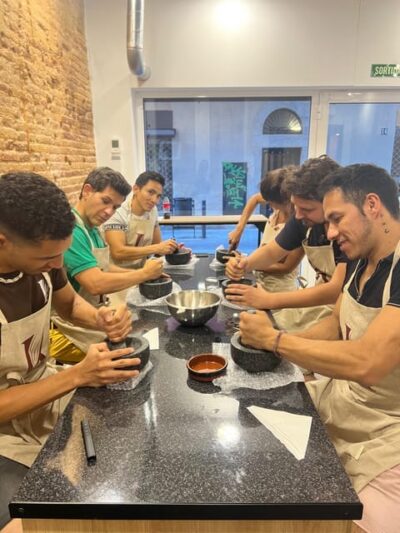
Project Chocolat Bean to Bar Experience from Hotel Chocolat
Read our review →
Puerto Viejo hands on chocolate making class. From bean to bar, get chocolatey!
Read our review →
Chocolatier for a day: raw bean to bar chocolate in Modica
Read our review →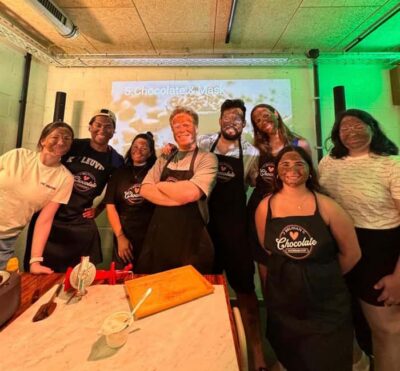
KAICAO bean to bar and design your chocolate experience
Read our review →Browse the lists this tour appears in