
Review · BEAN-TO-BAR CHOCOLATE TOURS
AFRIKOA Bean-to-Bar Chocolate Experience
The most interesting part of the AFRIKOA Bean-to-Bar Chocolate Experience is its clear connection between Tanzanian cacao farmers and the finished chocolate in your hand. I like that you see the full 12-step process, from fermentation to tempering, and I like that the tasting is built into the lesson rather than tacked on at the end.
The trade-off is time. Thirty minutes gives you a brisk introduction, not a long workshop or a chance to make a bar yourself. If you want a relaxed, detailed chocolate class, this may feel short. Still, at $13, it is an easy add-on while you are at Makers Landing.
Key points at a glance
- Follow all 12 stages: Learn how cacao moves from fermentation and drying to roasting, grinding, refining, conching, and tempering.
- Taste single-origin chocolate: Afrikaa uses heirloom cacao beans sourced directly from farmers in Tanzania.
- See production up close: The session includes live demonstrations of how selected products are made.
- Allow 30 minutes: This is a compact introduction, useful before or after exploring Makers Landing.
- Shop for edible gifts: Additional Afrikaa products are available to buy at the store.
- Plan around the age rule: The experience is not suitable for children under seven.
Starting with Tanzanian cacao at Makers Landing
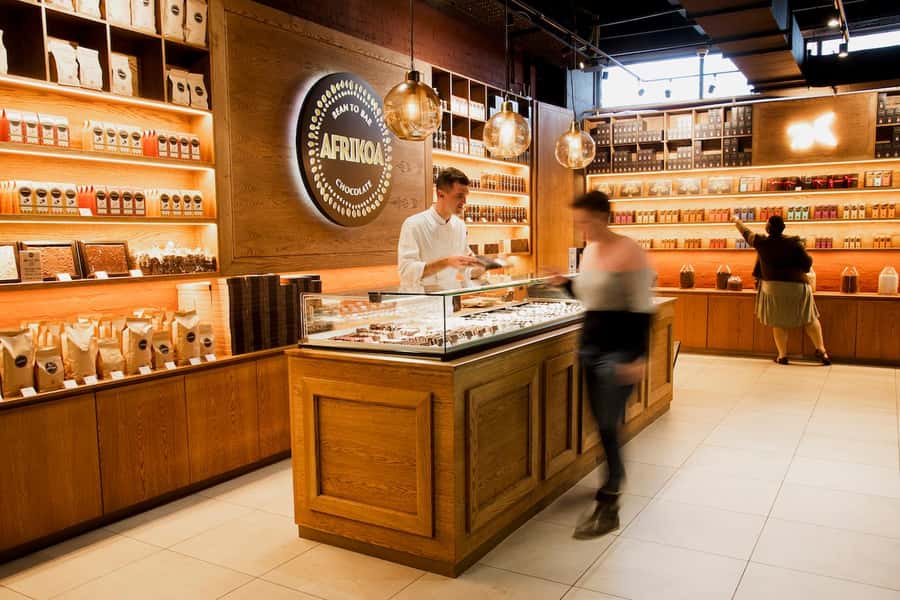
You meet at Afrikaa’s store, G11, inside Makers Landing in the Western Cape. The simplest way to find it is to head into the market and follow the smell of chocolate. It is a cheerful arrival point, and you do not need to arrange a separate meeting spot elsewhere.
The setting matters because this is not only a tasting counter. You are visiting the place where Afrikaa presents its chocolate-making work, so the talk has a direct link to the products on sale. I like that arrangement. You hear about the process, see how certain items are made, then have the option to buy something that interests you.
The instruction is in English. No instructor name is provided, so you should book this for the subject and format rather than for a particular chocolatier. The available feedback points to a friendly presenter with good energy, but the person leading your session may vary.
More Bean-to-Bar Chocolate Tours in the world:
- 1.5h Belgian Chocolate Workshop in Brussels (bean to bar)
★ 4.5 · 462 reviews - Bean to Bar Chocolate Workshop in Puerto Vallarta
★ 5.0 · 381 reviews - Bean to Bar Chocolate Workshop in Barcelona
★ 5.0 · 172 reviews
The first steps: fermentation and drying
The chocolate story begins with cacao beans, but the beans do not arrive ready to become a finished bar. Fermentation and drying are essential early stages, and the experience places them at the beginning of the journey.
You learn how the beans are prepared after harvest before they reach the later stages of chocolate production. These steps help shape the character of the cacao long before roasting. That point is useful for anyone who thinks chocolate flavor comes only from added ingredients or the final recipe.
Afrikaa works with heirloom cacao beans from Tanzanian farmers. The company says it procures them directly, which gives the talk a useful focus on origin and supply. You are not simply hearing a general explanation of industrial chocolate. You are learning how one source of cacao becomes a product with a particular regional identity.
The session does not promise a farm visit or a hands-on fermentation activity. You should expect an explanation of the process, not a full agricultural workshop. Even so, these opening stages help you understand why bean-to-bar chocolate can taste different from one origin to another.
Roasting changes the character of the beans
After drying comes roasting, one of the stages most familiar to home cooks. Here, heat helps develop the flavors locked inside the cacao. The precise methods and timings are not specified, so I would not book this expecting a technical roasting class with detailed formulas.
What you do get is a better sense of why chocolate-making takes care and judgment. The beans must move through several stages before they become smooth chocolate, and roasting is part of the transformation. It is also one of the reasons the smell at the store is so appealing.
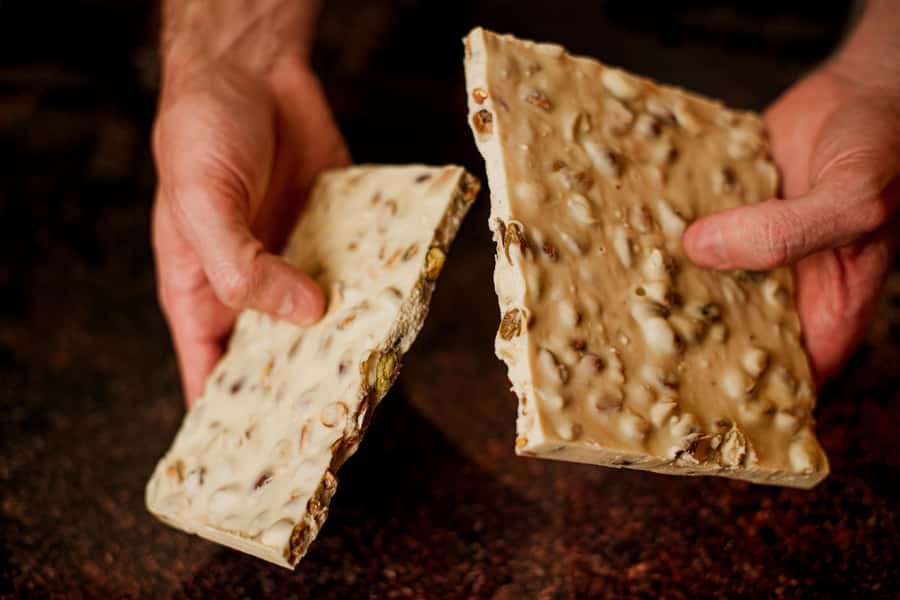
The experience includes live work on specific Afrikaa products. The exact items can vary, but seeing a product being made gives the process a practical focus. Instead of hearing a long list of terms, you can connect the terms to something the chocolatier is handling in front of you.
This is a good point to keep your expectations sensible. The session lasts only half an hour, so the live element is an introduction rather than a full production demonstration from raw bean to finished bar.
Grinding, refining, and conching
Once the cacao has been roasted, it is ground and refined. These steps help turn the prepared beans into a smoother chocolate mixture. Conching continues that work, helping develop texture and flavor over time.
For me, this is where the bean-to-bar idea becomes easiest to understand. The phrase can sound like a marketing label, but the 12-stage explanation shows that it refers to a complete production chain. Afrikaa takes responsibility for the beans through each major step instead of buying finished chocolate and simply reshaping it.
The description specifically includes grinding, refining, and conching, so you get a useful look at the middle of the process. It does not state how long each stage takes or identify the machinery used. You should therefore treat the session as an overview of craft chocolate production rather than a factory tour with extensive equipment detail.
Still, this section has real value for food lovers. It explains why texture matters and why a small chocolate maker may pay close attention to the condition of the beans at every point. The finished taste is connected to many small decisions, not just the cocoa percentage printed on a wrapper.
More Chocolate Tours in the world:
- Lindt Home of Chocolate Museum Entry Ticket
★ 4.7 · 9,329 reviews - Choco-Story Brussels: Chocolate Museum Entrance with Tasting
★ 4.3 · 4,883 reviews - Zurich: City Tour, Cruise, and Lindt Home of Chocolate Visit
★ 4.5 · 4,624 reviews - The Chocolatarium Chocolate Tour Experience in Edinburgh
★ 5.0 · 4,322 reviews
Tempering gives the chocolate its finish
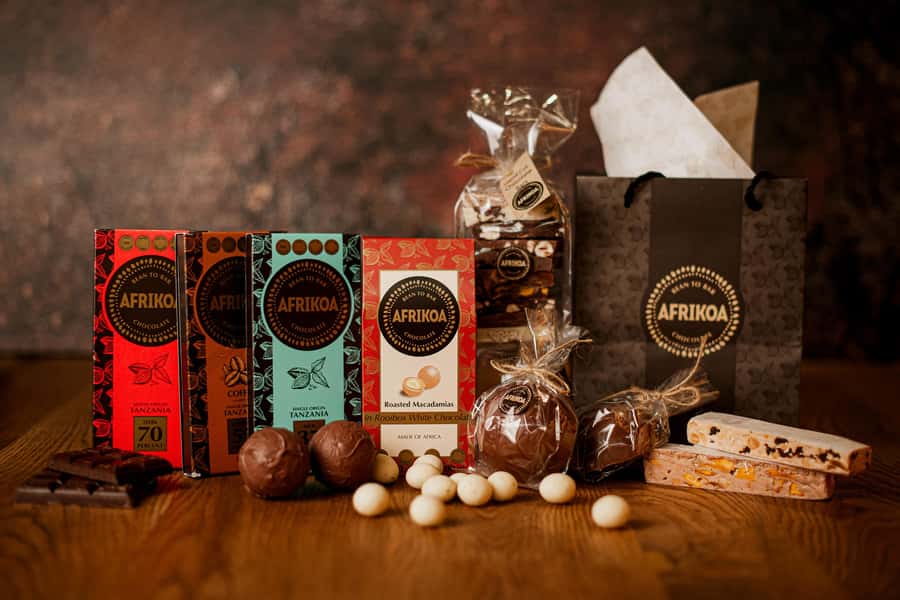
Tempering is the final named stage in the journey. It helps prepare chocolate for a firm finish and a pleasing texture. This is the point where the chocolate moves from a developing mixture toward the product you recognize in the shop.
You may see how a particular Afrikaa item is handled at this stage, depending on what is being made during your visit. The experience does not promise that every product will be demonstrated, so I would keep the focus on the overall method rather than one guaranteed recipe.
Tempering is also a helpful reminder that good chocolate needs control. The process is not finished when the ingredients are ground together. The final handling affects how the chocolate looks and feels when you eat it.
Because the visit is short, you will not spend a long time practicing tempering yourself. There is no indication that participants make their own chocolate. If you want a practical cooking class, this is not the right format. If you want to understand what happens behind the counter, it works well.
Tasting single-origin chocolate from Tanzania
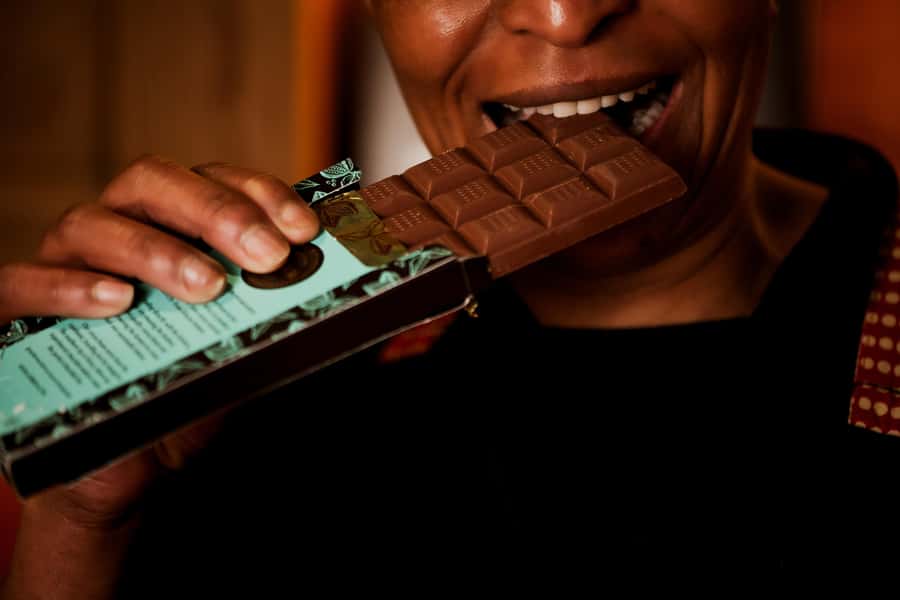
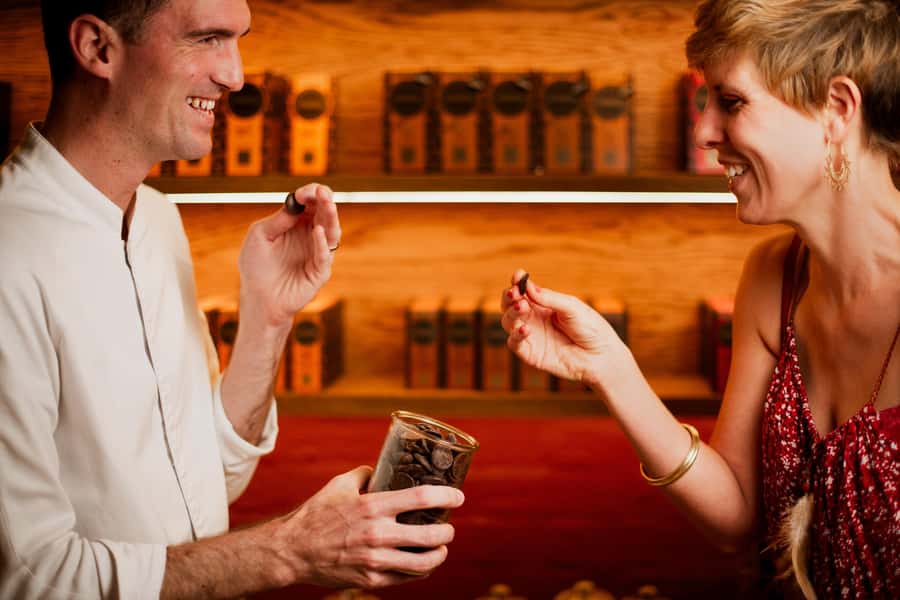
The tasting is included, and it gives the talk a satisfying finish. You can sample Afrikaa’s chocolates after hearing how they are made, which lets you think about the flavor with a little more context.
Afrikaa focuses on single-origin chocolate. That means the cacao for each creation comes from a specific region of Tanzania. This approach gives you a way to compare chocolate by origin rather than treating all cacao as interchangeable.
The exact number of samples and product flavors is not specified. I would expect a selection rather than a large tasting flight. The tasting is meant to support the explanation, not replace it with a full chocolate-pairing session.
The sampling is one of the strongest reasons to book. It turns an abstract lesson into something you can judge for yourself. You can consider the texture, flavor, and character of the chocolate while the production steps are still fresh in your mind.
One useful detail from the available feedback is that the smell of the place makes an impression. That fits the setting: you are visiting a working chocolate store, not a plain classroom. The atmosphere is part of the appeal, even though the published details do not promise a full café experience or food pairing.
Why single-origin and direct sourcing matter
Afrikaa’s approach gives the activity more substance than a basic chocolate tasting. The company connects its products to heirloom cacao beans from Tanzanian farmers and explains the stages from bean to finished chocolate.
That connection matters because origin can influence flavor. Cacao from one region may have different qualities from cacao grown elsewhere, and single-origin production lets those qualities remain part of the story. You are given a better sense of where the chocolate began and how it reached the store.
The experience also introduces the values behind the bean-to-bar movement: sustainability, transparency, and ethical production. The supplied information does not provide certification details, farmer names, prices paid, or specific environmental programs. I would not assume more than the session promises.
What it does offer is a chance to ask better questions. You can listen for how the business works with farmers, how it handles each stage, and how those choices affect the final product. For a short visit, that is a worthwhile amount of context.
What the $13 price gets you
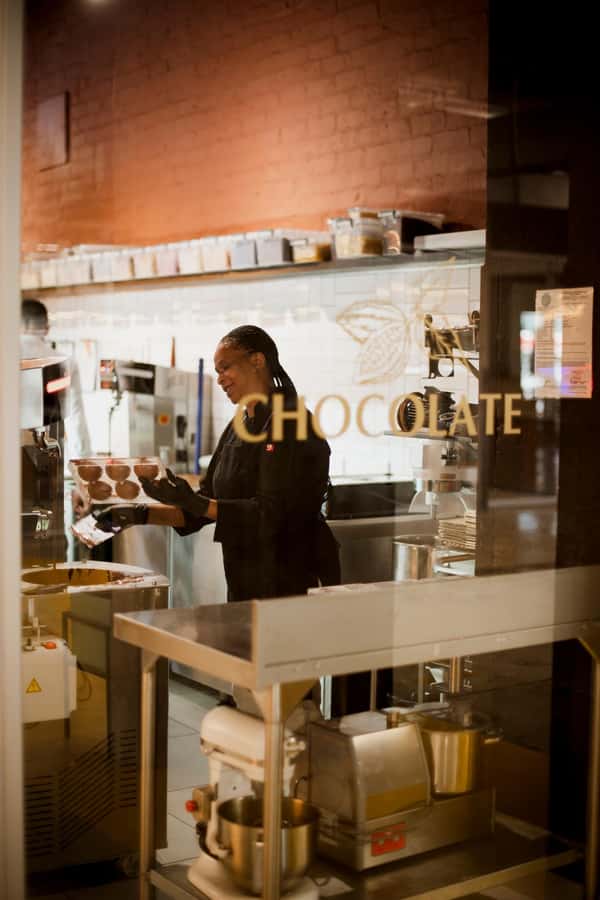
At $13 per person, the value is strongest if you already plan to visit Makers Landing. You get a 30-minute explanation, live production examples, and chocolate samples without committing to a long activity. The included tasting also makes the price easier to justify than a talk with no edible component.
I would view it as a compact food experience rather than a major Cape Town attraction. You are paying for access to the explanation and tasting, not a full meal, a take-home chocolate-making kit, or an extended class.
Additional products are not included, but you can buy them at the store. That can be useful if you want gifts for family and friends. It also means you should set your own shopping budget, since the $13 price covers the experience rather than anything extra from the shelves.
The cost works especially well for solo visitors and couples who enjoy local food production. Families should remember the minimum age of seven. If you are traveling with younger children, this activity will not suit your whole group.
Timing your visit from Wednesday to Sunday
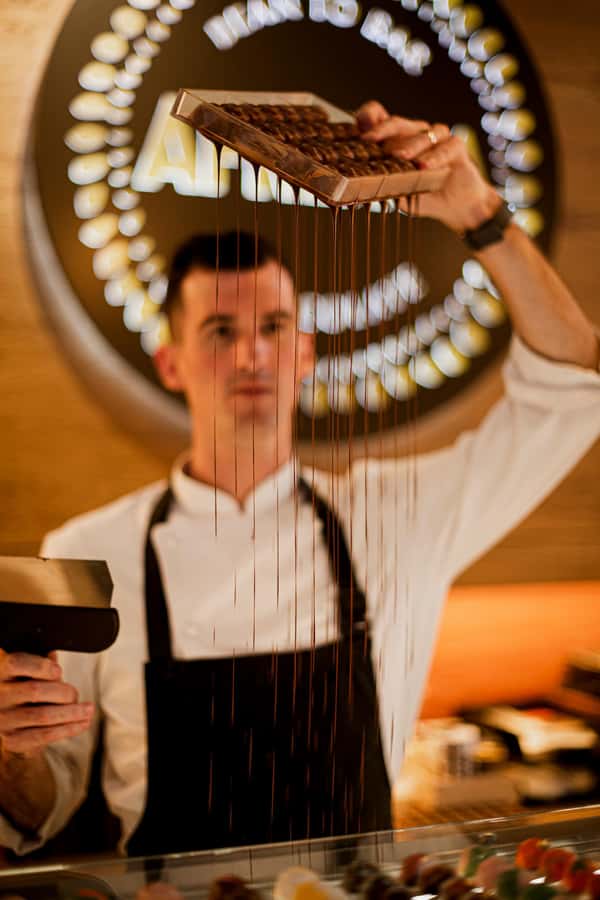
Afrikaa offers the experience from Wednesday through Sunday, between 10:00 a.m. and 3:00 p.m. The last booking is at 3:00 p.m. Since the session lasts 30 minutes, an afternoon booking can fit neatly around other plans, but you should not arrive after the stated final booking time.
The schedule is limited compared with a daily attraction. If your Western Cape plans fall on Monday or Tuesday, you will need another activity. The store is also closed on December 25, December 26, and January 1.
I would pair this visit with other time at Makers Landing rather than crossing the city only for half an hour. The activity is short enough to fit into a larger outing, and the store location makes it easy to continue exploring once the chocolate session ends.
Cancellation is flexible if your plans change: you can cancel up to 24 hours ahead for a full refund. You can also reserve and pay later, which is useful when you are arranging several fixed-time activities.
Who will enjoy this chocolate experience?
I would choose this for you if you enjoy food stories, small-scale production, and tasting something while learning how it was made. It is also a good choice if you want a short indoor activity in the Western Cape and prefer an experience with a clear local and regional connection.
It suits curious adults, older children, and gift shoppers. The minimum age is seven, and the activity is wheelchair accessible. The language is English, so you should be comfortable following an English explanation.
I would hesitate if you want a long workshop, a farm visit, or a chance to make your own chocolate. None of those features is promised. The session is best understood as a guided introduction with samples and a store attached.
One useful clue is the reaction to the length. The available score is 4.8 from 12 ratings, and the strongest praise focuses on the information, the tasting, the chocolate itself, and the friendly energy of the presenter. One person wished the session lasted longer. I take that as a fair warning: the short format is its main limitation.
Should you book the AFRIKOA experience?
Book it if you are already visiting Makers Landing and want a well-priced, 30-minute food activity with tasting included. The Tanzanian single-origin focus, the 12 production stages, and the chance to see selected products being made give it more depth than a simple sample stop.
Skip it if you need a full workshop or have a group with children under seven. For everyone else, $13 buys a concise look at how heirloom cacao becomes finished chocolate, plus a chance to take home extra products if something catches your eye.
FAQ
Where does the AFRIKOA Bean-to-Bar Chocolate Experience take place?
It takes place at the AFRIKOA store, G11, inside Makers Landing in the Western Cape, South Africa.
How long does the experience last?
The experience lasts 30 minutes.
What days and times is it available?
It is available Wednesday through Sunday between 10:00 a.m. and 3:00 p.m. The last booking is at 3:00 p.m.
What language is the experience conducted in?
The instructor provides the experience in English.
What is included in the price?
The price includes an explanation of the chocolate-making journey from fermentation through tempering, live production of specific products, and samples of Afrikaa chocolate.
Can children join the experience?
Children under seven are not permitted to join this activity.
Is the experience wheelchair accessible?
Yes, the experience is wheelchair accessible.
Newest chocolate tours around the world
- Bohol Chocolate Making and Farm Tour★ 5.0 · 2 reviews
- Big Island Hawaii: Craft Chocolate Tasting and Farm Tour★ 5.0 · 14 reviews
- Bogotá: Candelaria Tour with Cacao and Coffee Workshop★ 5.0 · 3 reviews
- Bordeaux: Chocolate and Pastry Food Tasting Tour★ 4.9 · 40 reviews
- Barossa: Enjoy Wine, Lunch, Brewery, Chocolate & Wildlife★ 4.5 · 26 reviews
- Chocolatier for a day: raw bean to bar chocolate in Modica★ 5.0 · 33 reviews
- Bern: Gruyères Cheese and Cailler Chocolate Tasting Tour★ 4.7 · 3 reviews
- Barcelona: Delicious Chocolate walking tour★ 5.0 · 2 reviews
Bean-to-Bar Chocolate Tours, compared.
1.5h Belgian Chocolate Workshop in Brussels (bean to bar)
Read our review →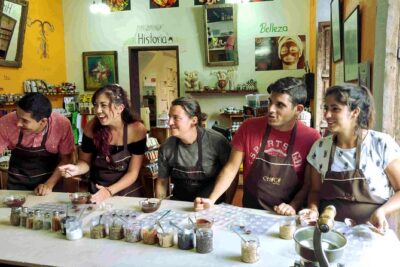
Bean to Bar Chocolate Workshop in Puerto Vallarta
Read our review →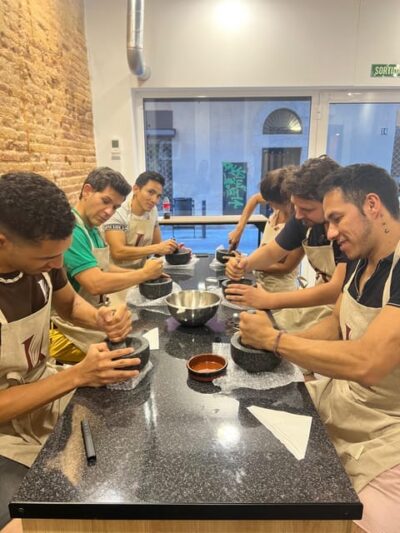
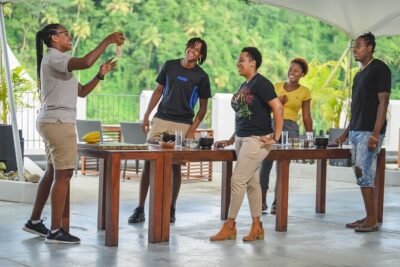
Project Chocolat Bean to Bar Experience from Hotel Chocolat
Read our review →
Puerto Viejo hands on chocolate making class. From bean to bar, get chocolatey!
Read our review →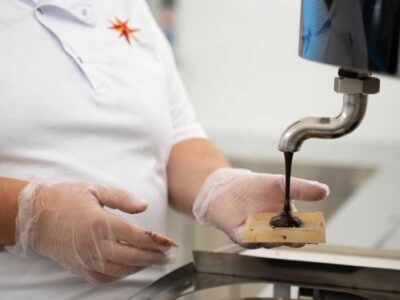
Chocolatier for a day: raw bean to bar chocolate in Modica
Read our review →Browse the lists this tour appears in