
Review · BEAN-TO-BAR CHOCOLATE TOURS
Bean to bar Chocolate Workshop in Ho Chi Minh City
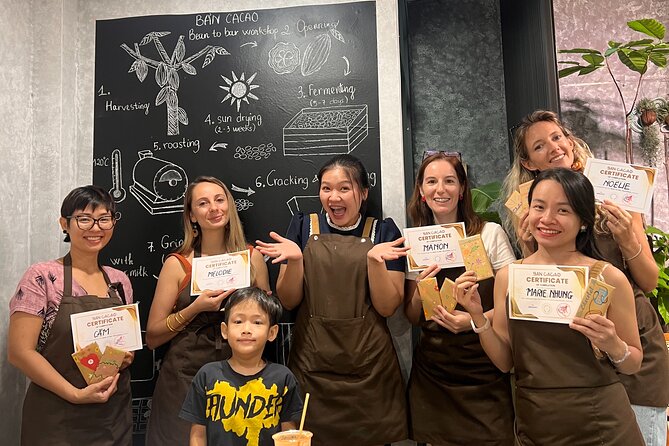
The most interesting part of this Ho Chi Minh City experience is that you begin with the fresh cacao pod, not a neat square of finished chocolate. You taste the fruit, husk beans, grind cacao paste by hand on granite, then shape and decorate your own bar. It gives you a clear look at how local cacao becomes chocolate.
I like the Vietnamese focus and the fact that the class uses local cacao, cane sugar, cacao butter, nibs, and simple tools. I also like the take-home result: this is not just a talk and a few samples. You make chocolate, decorate the wrapper, and leave with something you prepared yourself.
The main thing to consider is the hand grinding. It is part of the charm, but it takes effort, and an 8-year-old found that stage tiring. The class is best for children aged 8 and up who can handle a little repetitive work.
Key points
- Fresh cacao tasting: Start with the fruit itself before seeing the beans become chocolate.
- Traditional granite grinding: Make cacao paste by hand rather than watching a machine do all the work.
- Small class size: The workshop accepts a maximum of 10 people.
- Two-hour format: A compact activity that fits neatly into a day in District 1.
- Chocolate to take home: Mold, decorate, and wrap your own finished chocolate.
- A drink is included: Class accounts describe a hot or iced chocolate drink for each participant.
From Cacao Pod to Chocolate Bar in Two Hours
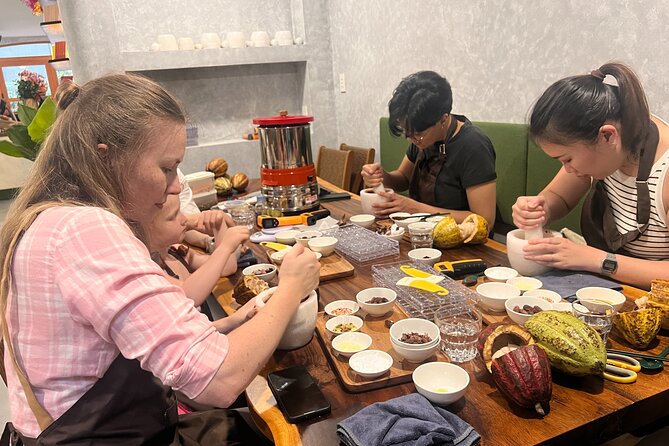
This workshop takes place at Ban Cacao, a Vietnamese chocolate maker at 89/14 Hàm Nghi in District 1. You return to the same location at the end, so the plan is simple: arrive at the shop, make chocolate, and leave with your finished work.
The two-hour schedule is short enough to fit between sightseeing stops, but it is not so brief that the activity becomes a quick tasting. You move through the main stages of chocolate making in order, from cacao fruit to wrapped bar. That sequence is what makes the class useful. You see how each stage changes the ingredient rather than receiving only a finished product.
The class has a maximum of 10 people. That matters here because the work involves shared explanations, weighing, molding, and hands-on tools. A small group should make it easier to follow what is happening and get a turn with the equipment, though the exact pace can vary with the group.
More Bean-to-Bar Chocolate Tours in Vietnam:
- Ho Chi Minh City: Premium Bean-to-Bar Chocolate Workshop
★ 4.8 · 8 reviews - 1.5h Belgian Chocolate Workshop in Brussels (bean to bar)
★ 4.5 · 462 reviews - Bean to Bar Chocolate Workshop in Puerto Vallarta
★ 5.0 · 381 reviews
Starting With Vietnamese Cacao and Its History
The opening explanation covers the pods-to-bars process and the history of cacao in Vietnam. This gives the workshop some local character instead of treating chocolate as a generic food craft.
You learn how Vietnamese makers use local ingredients to produce chocolate. The listed materials include fresh cacao fruits, cacao beans, cacao nibs, cacao butter, and cane sugar. That ingredient list helps you separate the parts of the cacao fruit and understand what gets added later to produce a smoother bar.
I like this first section because it places the finished chocolate in a Vietnamese setting. Ho Chi Minh City is better known for coffee, street food, and sweet drinks than for cacao, so a class centered on local chocolate offers a different side of the country’s food culture.
The explanation is also useful before the practical work begins. Once you know which part of the fruit contains the beans and how those beans become cacao paste, the later steps make more sense. Without that context, grinding and molding could feel like disconnected tasks.
Tasting the Fresh Cacao Pod
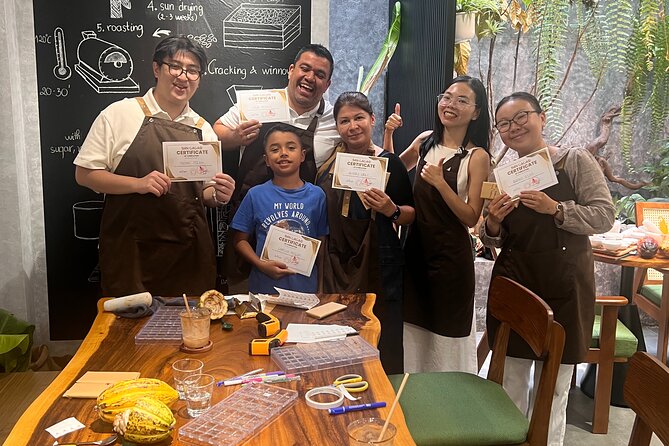
You taste fresh cacao pods during the class. This is one of the less familiar parts of chocolate production, since most people encounter cacao only after it has been dried, roasted, ground, sweetened, and formed into a bar.
The fresh fruit lets you see that chocolate begins as something very different from the final candy. You get a chance to notice the fruit before the beans are husked and processed. For me, that is one of the strongest reasons to choose this activity over a standard chocolate tasting.
This step also suits curious eaters. You are not simply sampling several finished chocolates with different percentages. You are trying an early ingredient and then watching it move through the rest of the process.
The description does not specify the exact flavor or portion of the fresh pod, so you should not expect a large tasting course. Think of it as a short but memorable introduction to cacao itself.
Husking Your Own Beans
Next, you husk cacao beans yourself. This is a small task, but it gives you a better sense of the preparation required before the cacao can be ground.
The activity is especially helpful if you like learning through your hands. You handle the beans, remove the outer material, and prepare them for the next stage. It slows the process down in a good way. A factory can turn beans into chocolate quickly, but you rarely notice the separate steps when buying a bar from a shop.
The class also uses cacao nibs, which are listed among the materials. Nibs are another useful stage to see because they are closer to the bean than the sweet chocolate most people know. You may find that the workshop changes how you taste chocolate afterward. Bitterness, texture, sugar, and cacao flavor become easier to distinguish.
The main caution is that the work is practical, not polished. You may have to handle small pieces and follow instructions closely. If you want a relaxed tasting with no manual tasks, this is not the right format.
More Chocolate Making Workshops in Vietnam:
- Alluvia Hoi An Chocolate Making Class
★ 4.5 · 12 reviews - Da Lat: Handmade Chocolate Workshop
★ 5.0 · 4 reviews - Vienna: Chocolate Workshop in Chocolate Museum w/ Tasting
★ 4.5 · 1,802 reviews - Brussels: Belgian Chocolate Making Workshop with Tastings
★ 4.7 · 1,629 reviews
Grinding Cacao Paste With Granite
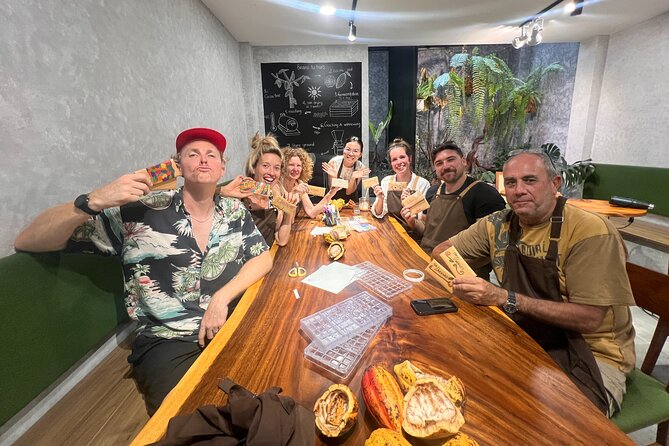
The most traditional-feeling part of the workshop is making cacao paste with a granite mortar. You work the cacao by hand instead of relying entirely on a modern machine.
This is also the stage that demands the most effort. A family class found the grinding tiring for an 8-year-old, so keep that in mind when booking with children. Children aged 8 and up can take part, but younger participants may need help or may lose interest before the work is done.
For adults, the physical effort is part of the point. You feel how much work sits behind a product that normally appears in a perfectly smooth bar. The granite mortar connects the class to a more traditional method, while the thermometer and scale bring in the careful measuring needed for consistent chocolate.
You should not expect to produce a large batch by hand in two hours. The goal is to understand and take part in the process, not to operate a full chocolate factory. The finished bar is a souvenir, while the real value is learning what happens before the chocolate reaches the mold.
Mixing, Measuring, and Molding the Chocolate
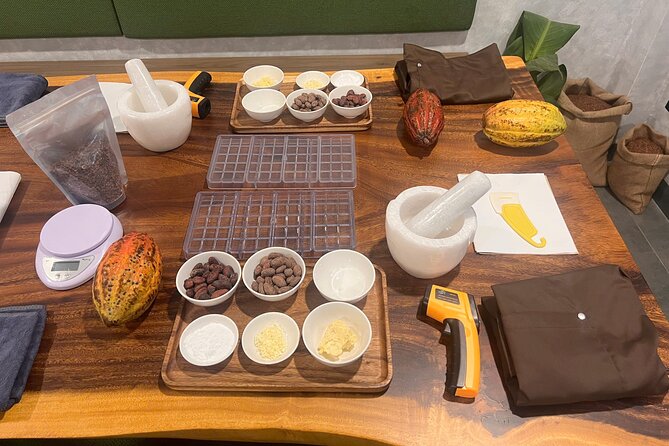
The class supplies a thermometer, scale, chocolate mold, and wrapping paper. Those tools show that chocolate making is not only about grinding cacao. Temperature and proportions matter too.
The scale helps you understand how ingredients are combined. Cane sugar affects sweetness, while cacao butter affects texture and flow. The thermometer points to the need for temperature control when working with melted chocolate. The supplied information does not promise a formal lesson in tempering, so you should not assume a professional confectionery course. Still, you get a practical look at why chocolate needs more care than simply melting it in a bowl.
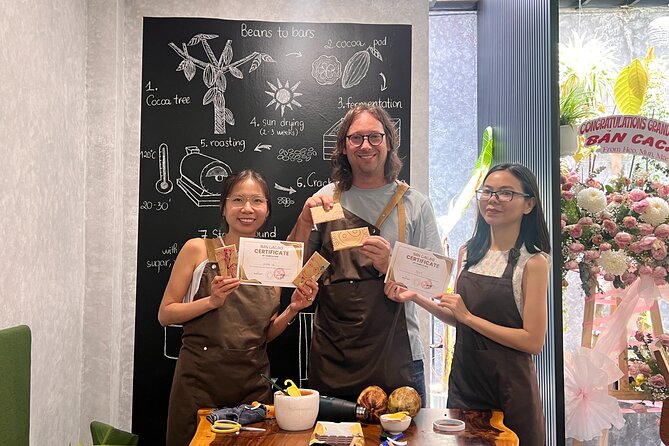
You then make your own chocolate bar from the first step to the final bar. The mold gives the chocolate its shape, and the process turns the earlier preparation into a clear result. This is the point where the class feels most rewarding for families and first-time makers. You can look at the bar and connect it to the beans you handled earlier.
The exact flavors, fillings, and toppings are not specified. That means you should expect a workshop built around the core cacao ingredients rather than a menu of elaborate truffles or filled bonbons.
Decorating the Wrapper and Taking Chocolate Home
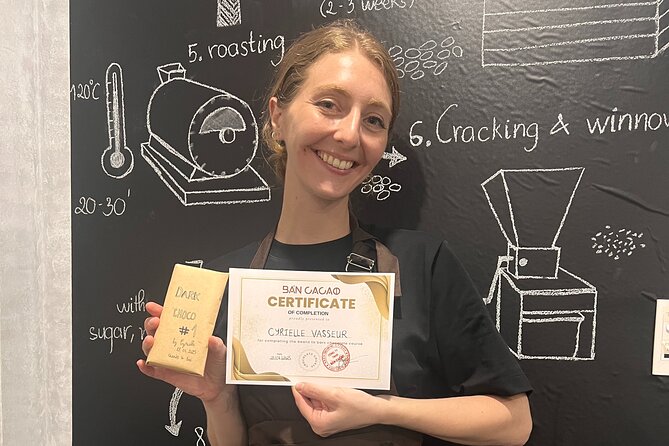
The final creative stage is decorating your own wrapper. This is a nice touch because the souvenir becomes personal twice: you make the chocolate and design the package.
The wrapper also makes the activity work well for families. Children who find the grinding tiring may enjoy the visual, creative part at the end. Adults can treat it as a simple keepsake from Ho Chi Minh City rather than another packaged food item bought from a shop.
The class description promises chocolate to take home. One class account describes each participant keeping two bars, while the general activity details refer to making your own bar. The exact number may depend on the session, but you should leave with your finished chocolate rather than only a recipe or certificate.
Plan to protect the chocolate after class, especially if you are carrying it around in warm weather. The experience details do not state special storage or transport arrangements, so a little care is sensible.
The Included Hot or Iced Chocolate
A drink is included with the class. The available class details describe one hot or iced chocolate for each participant, and a family enjoyed this part along with the making session.
That drink adds value to the $32 price. You are not paying only for a short demonstration. The fee covers instruction, cacao and chocolate materials, access to the tools, the practical work, your decorated wrapping, and a drink.
The beverage also gives you a chance to taste chocolate in another form during the class. You have the fresh cacao pod at the start, work through beans and paste, and then try a prepared chocolate drink before or during the finished-bar stage. It rounds out the food side of the experience.
The information does not list other drink choices or dietary substitutions, so you should ask the provider directly if you need a specific alternative.
Is $32 a Fair Price?
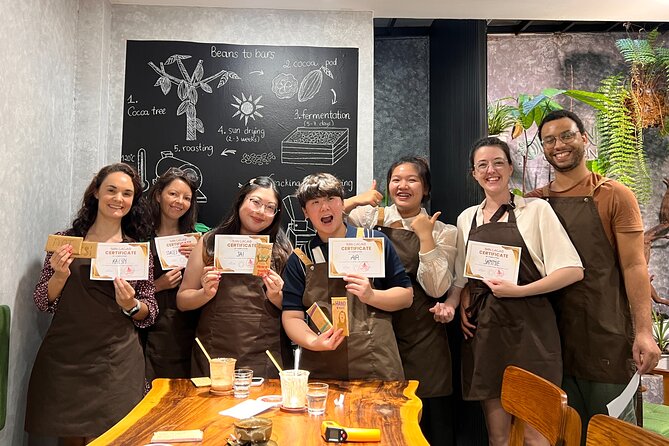
At $32 per person, this is a fair buy if you want a hands-on activity rather than a passive food stop. The two-hour length gives you enough time to handle several stages, and the price includes the core materials and equipment.
You are also paying for the setting and instruction. Fresh cacao fruits, beans, nibs, cacao butter, cane sugar, a granite mortar, a thermometer, a scale, a mold, and wrapping paper are all supplied. Buying those materials separately would not make sense for one bar, so the value comes from using them as part of a guided lesson.
The value is weaker if your only goal is to eat excellent chocolate. You may get more chocolate for your money at a shop, and this class includes work that some people may find tiring. It is best viewed as a food activity with a souvenir, not as a bargain chocolate purchase.
I would especially consider it when you have already seen the main sights in District 1 and want something active for a couple of hours. The location near public transportation makes it easy to add to a day in central Ho Chi Minh City, though the supplied details do not name specific transit stops.
Who Will Enjoy This Workshop Most?
This activity suits first-time chocolate makers, curious food lovers, couples, and families with children aged 8 and up. It gives you a clear result without requiring prior cooking skill.
Families should be realistic about the hand grinding. An 8-year-old can take part, but that stage may feel long or tiring. Parents may need to help, and the decorating stage may be the bigger hit with younger participants.
It also works for anyone who wants an activity with a strong Vietnamese connection. You learn about cacao in Vietnam and use local cacao rather than simply attending a general candy-making session.
You may want to skip it if you dislike repetitive hand work, need a fully accessible activity, or prefer a formal tasting led by a specialist. The supplied information does not provide accessibility details, so contact Ban Cacao before booking if you have mobility or physical concerns.
Booking, Timing, and Cancellation
The meeting point is 89/14 Hàm Nghi, Phường Nguyễn Thái Bình, Quận 1, Ho Chi Minh City. The class ends at the same place, and confirmation is provided at booking.
It is typically booked about 11 days ahead, so I would not leave it until the last moment if the date matters to you. The mobile ticket makes entry convenient, and the small maximum of 10 people helps keep the workshop manageable.
You can cancel for a full refund up to 24 hours before the start time. Cancellations or changes made less than 24 hours before the start are not accepted for a refund. Cutoff times follow local time in Ho Chi Minh City.
Should You Book the Ban Cacao Workshop?
Book it if you want to understand chocolate by making it, not just eating it. The fresh pod tasting, bean husking, granite grinding, molding, decorating, and take-home chocolate create a satisfying two-hour chain of events.
I would choose it for a family day, a rainy afternoon, or a break from museums and city walking. The included drink and personal wrapper add small but useful touches, while the local cacao focus gives the class a clear sense of place.
Think twice if you want effortless luxury or a large tasting menu. The grinding takes work, the exact chocolate output is not fully specified, and the activity is aimed at learning through participation. For most first-time makers, that hands-on approach is precisely what makes the $32 price worthwhile.
FAQ
Where does the chocolate workshop take place?
The class takes place at Ban Cacao, at 89/14 Hàm Nghi, Phường Nguyễn Thái Bình, Quận 1, Ho Chi Minh City, Vietnam.
How long does the workshop last?
The workshop lasts approximately two hours.
Where does the activity end?
The activity ends back at the meeting point at Ban Cacao.
What will I learn during the class?
You will learn about the pods-to-bars chocolate process, the history of cacao in Vietnam, and how Vietnamese makers use local ingredients to make chocolate.
Will I taste cacao during the workshop?
Yes. The class includes tasting fresh cacao pods.
Do I make chocolate myself?
Yes. You will husk cacao beans, make cacao paste with a granite mortar, prepare your chocolate, place it in a mold, decorate the wrapping, and take your finished chocolate home.
Is a drink included?
Yes. Class details describe a hot or iced chocolate drink for each participant.
How many people can join the class?
The maximum group size is 10 people.
Can I cancel for a full refund?
Yes. You can cancel at least 24 hours before the start time for a full refund. Cancellations or changes made less than 24 hours before the start time are not accepted for a refund.
Newest chocolate tours around Vietnam
- Full Day Experience to Farm and Chocolate★ 5.0 · 22 reviews
- Alluvia Hoi An Chocolate Making Class★ 4.5 · 12 reviews
- Phu Quoc: Bittersweet Chocolate Factory Tour & Workshop★ 4.5 · 38 reviews
- Ho Chi Minh City: Premium Bean-to-Bar Chocolate Workshop★ 4.8 · 8 reviews
- Da Lat: Handmade Chocolate Workshop★ 5.0 · 4 reviews
- Can Tho: Explore Mekong, Floating Market, Cacao & Local Life★ 4.9 · 21 reviews
- Can Tho: Floating Market, Cacao & Canals with French Guide★ 5.0 · 37 reviews
- Can Tho: Countryside Cycling Tour with Cocoa Farm Visit★ 5.0 · 2 reviews
Bean-to-Bar Chocolate Tours, compared.
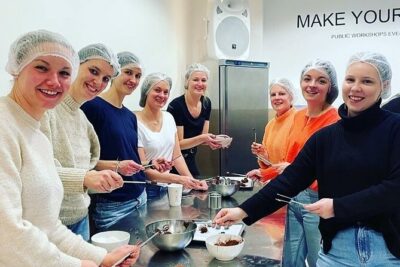
1.5h Belgian Chocolate Workshop in Brussels (bean to bar)
Read our review →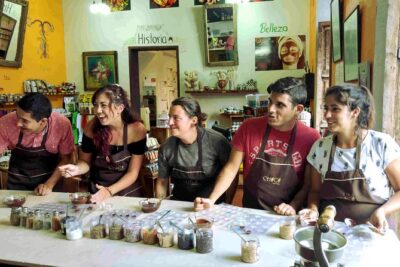
Bean to Bar Chocolate Workshop in Puerto Vallarta
Read our review →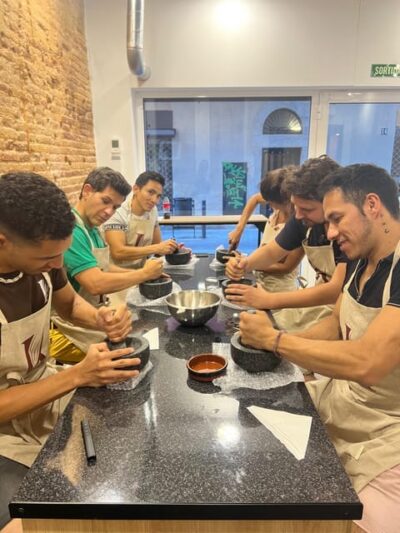
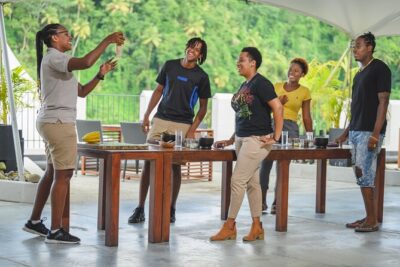
Project Chocolat Bean to Bar Experience from Hotel Chocolat
Read our review →
Puerto Viejo hands on chocolate making class. From bean to bar, get chocolatey!
Read our review →
Chocolatier for a day: raw bean to bar chocolate in Modica
Read our review →
KAICAO bean to bar and design your chocolate experience
Read our review →Browse the lists this tour appears in