
Review · BEAN-TO-BAR CHOCOLATE TOURS
Make your own Bean to Bar Chocolate Factory Tour
A cocoa pod, a bowl, a spatula, and a hair dryer are the unlikely stars of this hands-on Jamaican chocolate workshop. In about 90 minutes, Nick takes you from the fruit and fermented bean to a custom chocolate bar, while connecting cacao to Jamaica’s food and cultural past.
I like two things here. First, you are not simply dipping fruit into melted chocolate. You roast cocoa, examine the pods, learn how beans become nibs, and make traditional Jamaican spiced chocolate. Second, Nick’s background as a BBC correspondent gives the talk a useful storytelling angle, while his family’s long connection to cocoa farming keeps it tied to Falmouth.
The main consideration is the price: $75 per person for a 90-minute experience is a serious spend for a short activity. It makes the most sense if you value instruction, local food history, and making something yourself, not just eating chocolate.
Key points at a glance
- From pod to bar: See cocoa pods, look inside the fruit, and learn how fermentation and processing shape the final chocolate.
- A real Jamaican flavor: Make traditional spiced chocolate with a local twist rather than a standard sweet treat.
- A clever home lesson: Learn to hand temper chocolate with a bowl, spatula, and hair dryer.
- Small-group format: The activity is limited to 12 people, which suits questions and hands-on work.
- Easy from Falmouth Port: Meet at 23 Harbour Lane in historic Falmouth, near public transportation.
- Cruise-day timing matters: The tour starts at 9:00 a.m., and Jamaica time may differ from your ship’s clock.
Why this chocolate tour is different
Many chocolate classes begin with a bowl of melted chocolate and end with a decorated sweet. This one starts much earlier, with the cocoa tree and the fruit that holds the beans.
That difference matters. Chocolate can seem like a finished product that appears on a shop shelf, but the work begins with a pod, fermentation, drying, roasting, grinding, and tempering. Each stage affects the taste and texture. Here, you get a simple tour through that chain instead of only learning a few kitchen tricks.
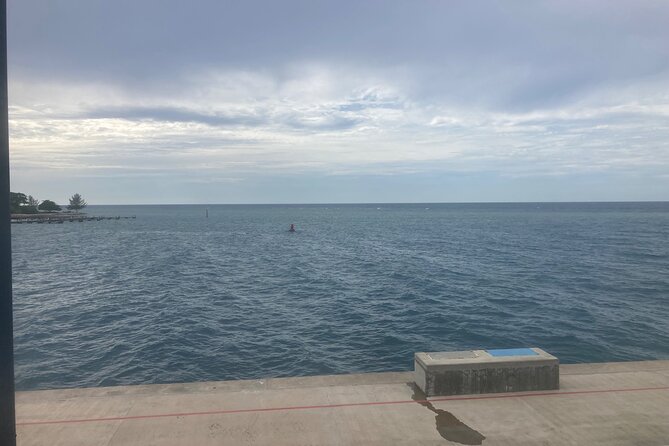
The setting also adds context. The factory sits at 23 Harbour Lane in Falmouth, on the edge of the Caribbean Sea. The address is in the historic port area, a part of town that is often easiest for cruise passengers to reach when a ship is in port. You finish where you started, so there is no need to arrange a second meeting point.
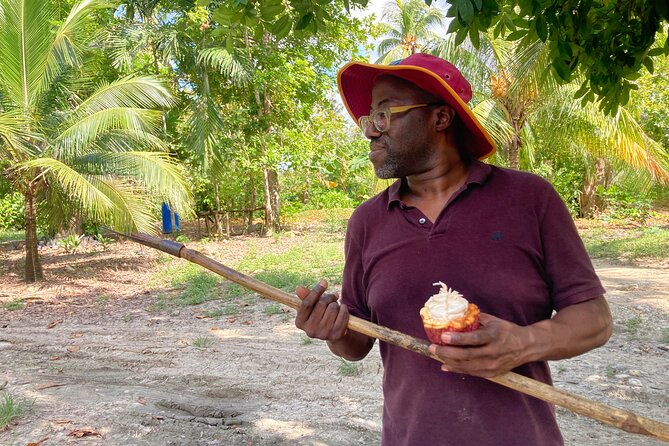
Nick leads the experience, and Marta also helps host it. Nick’s story is part of the appeal: he moved from work as a BBC correspondent to making chocolate. His family has grown cocoa in the area for generations, so the presentation links personal experience with the wider story of Jamaican cacao.
More Bean-to-Bar Chocolate Tours in the world:
- 1.5h Belgian Chocolate Workshop in Brussels (bean to bar)
★ 4.5 · 462 reviews - Bean to Bar Chocolate Workshop in Puerto Vallarta
★ 5.0 · 381 reviews - Bean to Bar Chocolate Workshop in Barcelona
★ 5.0 · 172 reviews
Start with Jamaica, cacao, and the Taino past
The opening talk gives you the background needed to understand the tasting. You learn about the early use of chocolate and the role cacao played from the time of Jamaica’s Indigenous Taino people through to the present day.
This is more useful than a quick list of dates. Food tells you how people lived, traded, celebrated, and adapted. Chocolate is not just a modern candy. It has a long path through the Caribbean, and the tour places Jamaican cocoa inside that story.
The historical section also helps explain why local ingredients matter. Jamaica is often associated with coffee, but cocoa deserves attention too. The experience makes that case through taste and process rather than through a sales pitch.
Nick’s earlier broadcasting career should suit anyone who likes a guide who can explain an idea clearly. The information is presented as part of a story about people and food, not as a technical lecture. Still, if you want a full farm visit with long hours among cocoa trees, keep your expectations in check. The experience introduces the farm process, but the stated program centers on the factory and workshop in Falmouth.
Meet the cocoa pod before meeting the chocolate
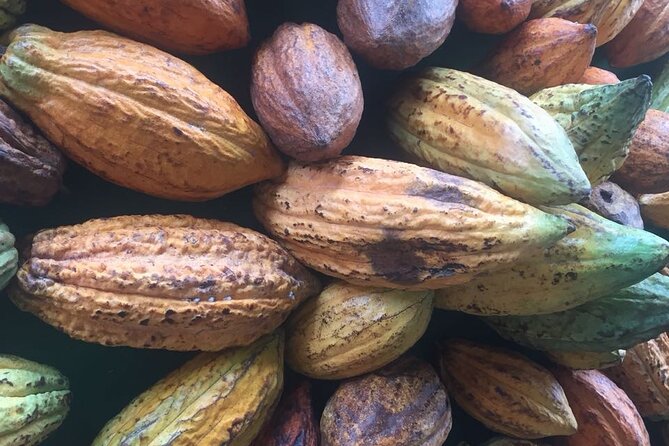
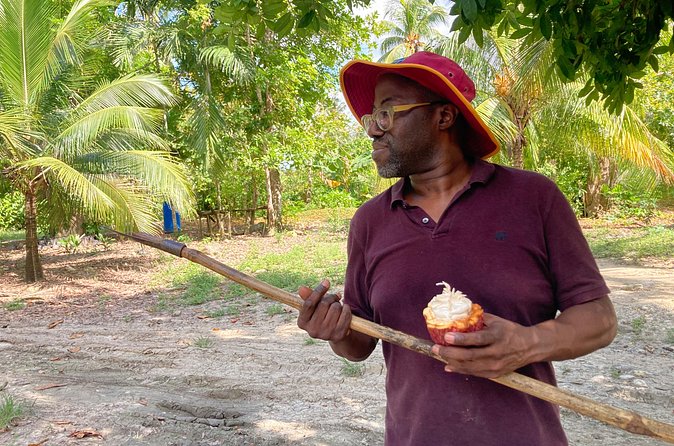
One of the most useful parts comes when you see cocoa pods up close and look inside the fruit. This gives you a visual reference for everything that follows.
The pod contains the beans, and those beans do not taste like the chocolate you know. They must be fermented and processed before they become cocoa nibs and eventually chocolate. The guide explains how fermentation happens on the farm and how the nibs are prepared.
For you, the value is in connecting an ordinary snack bar with a plant. Once you understand the starting point, roasting and tempering make more sense. You can also appreciate why good chocolate is not simply about adding sugar. The raw material and each stage of handling shape the result.
This section may be especially good for families and curious eaters because it turns an unfamiliar food process into something visible. It is also a strong choice if you like agricultural and culinary experiences but have limited time in port.
Roast cocoa in the industrial machines
The program then moves into roasting cocoa in large industrial machines. Roasting is a key point in the process because it develops the aromas associated with finished chocolate.
You are not only told that roasting happens. You get to see the equipment and follow the beans as they move closer to the form you recognize. That physical step gives the factory visit more substance than a demonstration built around pre-made chocolate.
The machinery may be one of the more memorable parts for children and anyone interested in how small producers work. At the same time, you should know that this is a compact experience. The tour lasts about an hour and a half, so the roasting explanation is part of a brisk sequence rather than a long industrial tour.
The small group limit of 12 helps here. A dozen people is still enough for a social class, but it is more manageable than a large cruise excursion. You should have a better chance to see what is happening and ask a question without competing with a crowd.
More Chocolate Making Workshops in the world:
- Vienna: Chocolate Workshop in Chocolate Museum w/ Tasting
★ 4.5 · 1,802 reviews - Brussels: Belgian Chocolate Making Workshop with Tastings
★ 4.7 · 1,629 reviews - Brussels: 2.5-Hour Belgian Chocolate Making Workshop
★ 4.8 · 933 reviews - Belgian Chocolate Workshop in Bruges
★ 5.0 · 660 reviews
Make Jamaican spiced chocolate with a twist
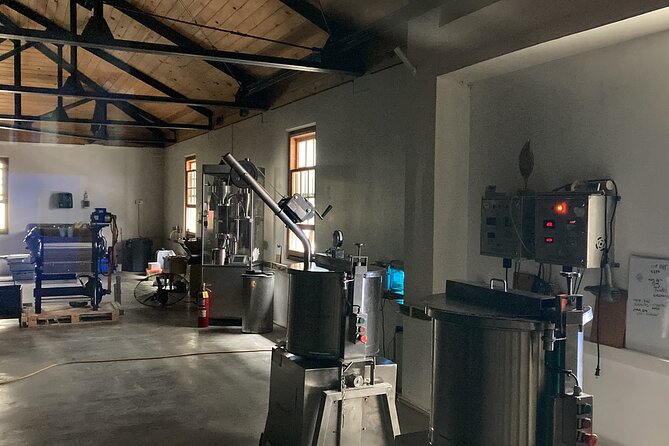
After the cocoa story and roasting demonstration, you get to make traditional Jamaican spiced chocolate. The recipe includes a twist, though the supplied details do not specify exactly what that twist is.
That uncertainty is worth noting. You can expect a local flavor idea, but you should not book this expecting a particular spice or ingredient unless you confirm it before arrival. The broader point is that the class uses Jamaican culinary identity as part of the making process, rather than presenting a generic chocolate recipe.
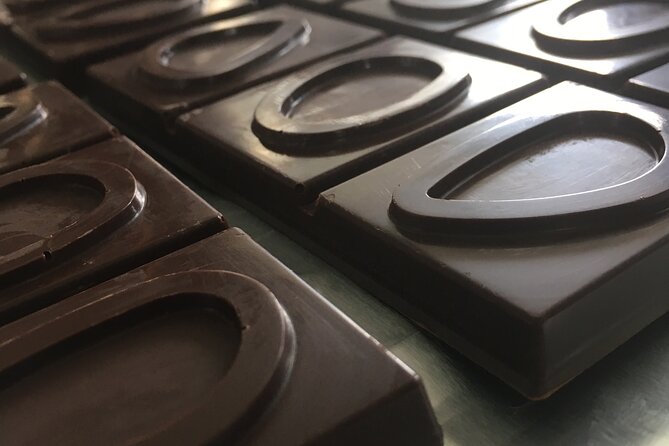
The all-vegan format is another important detail. The chocolate is dark, and the experience is designed without dairy. If you normally prefer milk chocolate, this may change your expectations. Dark chocolate can be more intense, less creamy, and more focused on cocoa flavor.
I see this as a plus for anyone looking for a plant-based activity or wanting to taste chocolate in a less familiar style. It may be less suitable if you specifically want a milk chocolate class. The guide describes the dark chocolate as having a festive, Christmas-like flavor, so expect a strong character rather than a mild candy-bar taste.
Learn the hair-dryer tempering trick
The most practical lesson may be the hand-tempering demonstration. Nick shows you how to temper chocolate at a kitchen table with a bowl, spatula, and hair dryer.
Tempering is what helps chocolate set with a smooth finish and a pleasant snap. You usually associate it with specialist equipment, careful temperature control, and professional kitchens. This method makes the process seem more approachable for home cooks.
The hair dryer is not just a funny prop. It is the sort of low-cost kitchen workaround you may actually remember after the tour. You do not need a full chocolate factory to try the technique at home.
Still, this is a demonstration and lesson, not a guarantee that your first homemade batch will look like a shop product. Chocolate can be fussy, and the results depend on handling. The value is that you leave with a method and a better sense of what tempering is meant to do.
Build your own inclusion chocolate bars
The final making stage is the creation of custom inclusion bars. You choose additions to include in the chocolate, then wait for the finished bars to be revealed.
The word inclusion is useful here because it points to the format: ingredients are set into the chocolate rather than simply mixed into a drink or spread. The supplied details do not list every available addition, so I would treat the selection as part of the surprise rather than plan around a particular nut, fruit, spice, or topping.
This is the part that gives the activity a personal finish. You are not only tasting a bar prepared by someone else. You make a chocolate product of your own, with the workshop’s Jamaican influence in the background.
The custom bars also help justify the higher price. You are paying for the guide’s explanation, the tasting and making stages, the factory setting, and something produced during the class. If you only want a quick sample of Jamaican chocolate, a shop purchase would cost less. If you enjoy practical classes and want a souvenir tied to your time in Falmouth, the value is easier to see.
Timing your visit from Falmouth Port
The meeting time is 9:00 a.m., and the activity ends back at 23 Harbour Lane. That morning start is useful for cruise passengers with a longer port call, but it requires careful planning.
Ship time and Jamaica time can differ. Nick has accommodated visitors who arrived an hour early because they were following their ship’s clock, but I would not treat that flexibility as a substitute for checking the local time before you set out. Confirm your ship schedule and leave enough time to reach the meeting point.
The location is near public transportation, and the tour is set in historic Falmouth. The details do not provide a hotel pickup service, so you should plan to get to Harbour Lane on your own. Because the tour returns to the starting point, you can arrange the rest of your morning more easily after the class.
Booking patterns also suggest that this is not something to leave until the last day. It averages 64 days booked in advance, so reserve early if the 9:00 a.m. timing fits your port visit. The maximum group size is 12, which can help explain why available dates may fill ahead of time.
Who gets the most from the $75 price
At $75 per person, this is not a budget tasting. The strongest value comes if you want several experiences in one: local food history, a look at cocoa processing, guided tasting, and hands-on chocolate making.
I would consider it a good fit for:
- Couples looking for a short, distinctive activity near Falmouth Port
- Families with children who enjoy making food
- Plant-based visitors who want a dairy-free chocolate experience
- Chocolate fans interested in how cocoa changes from fruit to bar
- Cruise passengers who want a local activity rather than a standard shopping stop
- Curious cooks who want the hand-tempering method for home use
The price is harder to justify if you want a farm excursion, a full meal, or a long factory tour. It is also not the obvious choice for someone who dislikes dark chocolate. The 90-minute length keeps the activity manageable, but it limits how far the class can go into farming, chemistry, or Jamaican cuisine.
The small group helps preserve the teaching quality. With no more than 12 people, the workshop should feel more personal than a large ship-sponsored activity, even though you still need to share the equipment and demonstration space.
Practical details before you book
You receive confirmation when booking, and the tour accepts mobile tickets. That is handy for a cruise day when carrying printed paperwork is one more thing to lose.
Free cancellation is available if you cancel at least 24 hours before the 9:00 a.m. start time. Cancellations made less than 24 hours ahead do not receive a refund, and changes inside that window are not accepted. The cut-off follows local time, so check the time zone before making a last-minute change.
The supplied information does not state a specific accessibility policy, dietary alternatives beyond the vegan chocolate, or the exact inclusion ingredients. If you have a food allergy or need particular access arrangements, contact the provider before booking rather than relying on the general tour details.
Should you book the Falmouth Chocolate Factory tour?
I would book this if you want to understand Jamaican chocolate as food, farming, and craft rather than simply taste a sweet. Nick’s cocoa background, his BBC storytelling experience, Marta’s help, the pod-to-bar explanation, and the practical hair-dryer lesson give the short tour a clear identity.
I would skip it if your main goal is a cheap snack, a long plantation visit, or milk chocolate. At $75, the experience needs to offer more than a tasting, and it does: you make spiced chocolate, roast cocoa, learn tempering, and finish with custom bars.
For a port morning, this is a smart choice for a curious eater who values a personal lesson over a large sightseeing program. Check your ship time, reserve early, and arrive ready for dark chocolate with a strong Jamaican accent.
FAQ
Where does the chocolate tour start?
The tour starts at 23 Harbour Lane in Falmouth, Jamaica.
What time does the experience begin?
The start time is 9:00 a.m. local time.
How long does the chocolate experience last?
The activity lasts approximately 1 hour and 30 minutes.
Where does the tour finish?
The activity ends back at the meeting point at 23 Harbour Lane.
How many people can join the tour?
The tour has a maximum of 12 participants.
Is the chocolate vegan?
Yes. The experience uses vegan dark chocolate and does not feature milk chocolate.
Can I cancel for a full refund?
Yes. You can cancel for a full refund if you do so at least 24 hours before the experience start time. Cancellations or changes made less than 24 hours before the start are not accepted for a refund.
More Chocolate Factory Tours in the world
- Lindt Home of Chocolate Museum Entry Ticket
★ 4.7 · 9,329 reviews - Zurich: City Tour, Cruise, and Lindt Home of Chocolate Visit
★ 4.5 · 4,624 reviews - Zurich Sights: Cruise, Lindt Chocolate and optional FIFA Ticket
★ 4.0 · 1,028 reviews - Full-Day Tour: Concord Waterfall, Chocolate Factory, Rum Distillery, Grand Etang
★ 5.0 · 871 reviews
Newest chocolate tours around the world
- Zurich Open-top Tour and Chocolate and Cheese Countryside★ 3.5 · 11 reviews
- Zurich: Chocolate Tasting and Walking Tour with a Local★ 4.2 · 13 reviews
- Lindt Chocolate Museum with Cruise Transfer from Zurich★ 4.6 · 7 reviews
- York: Introduction to Chocolate Making Experience★ 4.9 · 10 reviews
- Zagreb: Lake Bled and Ljubljana Day Tour with Chocolate Gift★ 5.0 · 26 reviews
- Zaandijk-Near Zaanse Schans Chocolate making demo & tasting★ 4.8 · 13 reviews
- Private Wine and Chocolate Tasting Experience★ 4.4 · 3 reviews
- Yarra Valley: Wine and Chocolate tasting tour.★ 5.0 · 5 reviews
Bean-to-Bar Chocolate Tours, compared.
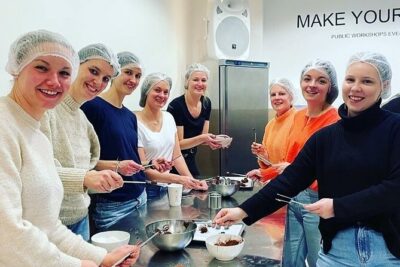
1.5h Belgian Chocolate Workshop in Brussels (bean to bar)
Read our review →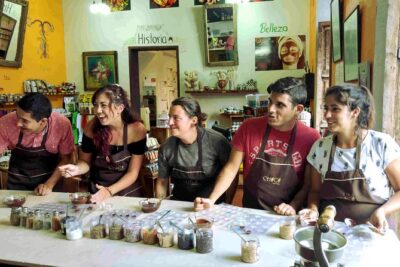
Bean to Bar Chocolate Workshop in Puerto Vallarta
Read our review →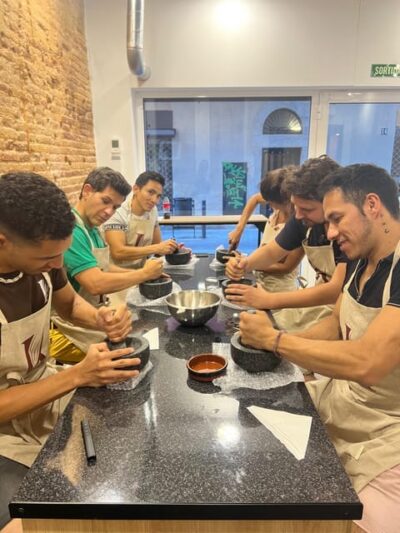
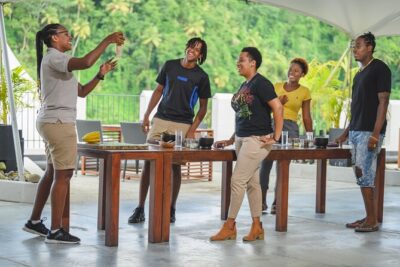
Project Chocolat Bean to Bar Experience from Hotel Chocolat
Read our review →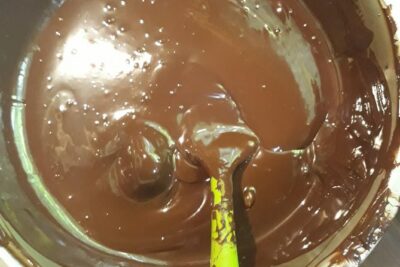
Puerto Viejo hands on chocolate making class. From bean to bar, get chocolatey!
Read our review →
Chocolatier for a day: raw bean to bar chocolate in Modica
Read our review →
KAICAO bean to bar and design your chocolate experience
Read our review →Browse the lists this tour appears in