
Review · BEAN-TO-BAR CHOCOLATE TOURS
Ho Chi Minh City: Premium Bean-to-Bar Chocolate Workshop
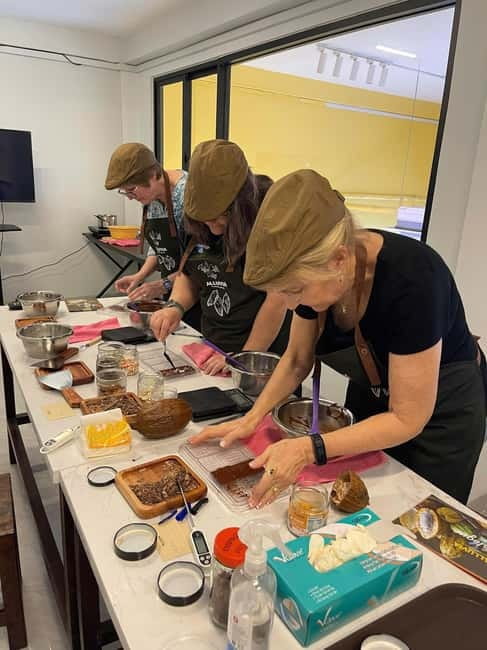
Ho Chi Minh City’s chocolate story gets hands-on at this small-group class, where you make a 30g dark chocolate bar and six decorated truffles instead of simply sampling finished sweets. You also hear how cacao is grown in Vietnam and how beans become chocolate.
I like the mix of learning and making, especially the chance to take home your own work. I also like the easy social setting: solo visitors can meet fellow participants, while children and adults can work side by side. The main drawback is that this is a joint workshop, not a private class, so the pace and attention depend on the group.
- Make a 30g bar from scratch: Work with guidance, then wrap your chocolate by hand.
- Decorate six truffles: Turn each bite into a small edible design project.
- Learn Vietnam’s cacao story: Follow the process from cultivation to finished chocolate.
- Enjoy an iced chocolate: One premium cacao drink is included during the class.
- Meet at a central address: The workshop takes place at Alluvia Chocolate, 74B Le Loi Street.
- Bring home your creations: Your bar and six truffles become useful souvenirs, if they survive the trip.
Starting at Alluvia Chocolate on Le Loi Street
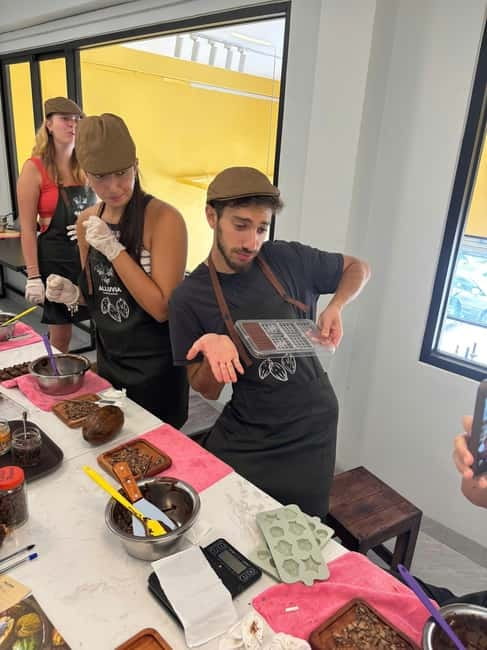
You meet at Alluvia Chocolate, 74B Le Loi Street, in Ben Thanh Ward, District 1. This is a central Ho Chi Minh City location, but you need to arrange your own way there because pickup is not included.
At the reception, simply say you are there for the chocolate workshop. The receptionist directs you to the class. That small detail matters in a busy city, especially if you arrive with limited time or are trying to find the correct part of the shop.
The activity ends at the same place. There is no sightseeing transfer before or after the class, so you can fit it around time in District 1. It works well as a break from markets, museums, and city traffic, though you should leave enough time to reach the address without rushing.
Wear comfortable clothes. Chocolate work is practical rather than formal, and you will be handling ingredients and decorating food. Smoking, indoor smoking, and making fire are not allowed.
The cacao story comes before the chocolate making
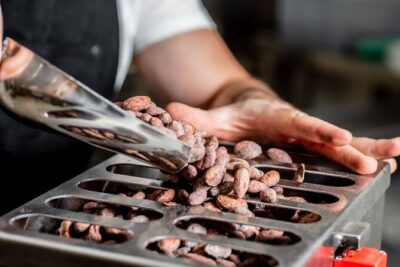
The class begins with an introduction to cacao and Vietnamese chocolate. You learn about the plant, its cultivation, and the path from bean to bar. The focus is not only on eating chocolate, but on understanding the work behind it.
That context gives the making session more meaning. A chocolate bar can seem simple when it sits on a shop shelf. Once you hear about cacao cultivation and production, you have a clearer idea of why origin and ingredients matter.
The lesson also covers the qualities of Vietnamese chocolate. The supplied information does not promise a long lecture or a technical tasting course, so you should expect a practical introduction rather than a specialist seminar. The useful part is the connection between local cacao and the finished food in front of you.
English-speaking guides lead the class step by step. That makes this a good choice if you want instruction you can follow without needing prior chocolate-making experience. One participant who spoke only a little French and English still found the session easy enough to enjoy, which suggests the teaching is friendly and hands-on rather than heavy on complicated explanations.
More Bean-to-Bar Chocolate Tours in Vietnam:
- Bean to bar Chocolate Workshop in Ho Chi Minh City
★ 5.0 · 10 reviews - 1.5h Belgian Chocolate Workshop in Brussels (bean to bar)
★ 4.5 · 462 reviews - Bean to Bar Chocolate Workshop in Puerto Vallarta
★ 5.0 · 381 reviews
Making your 30g dark chocolate bar
The first main project is your own 30g dark chocolate bar. You work with supplied ingredients and equipment, following guidance from the class team.
The quantity is modest, but that is part of the appeal. You are not signing up for a factory-style production session or leaving with a large box of candy. Instead, you get a manageable project that lets you pay attention to the process and finish with something personal.
The bar is made from scratch under instruction. You can expect help with the basic stages needed to create the chocolate, although the available details do not specify every technical step or the exact range of additions. The class is designed for beginners, so you do not need previous training.
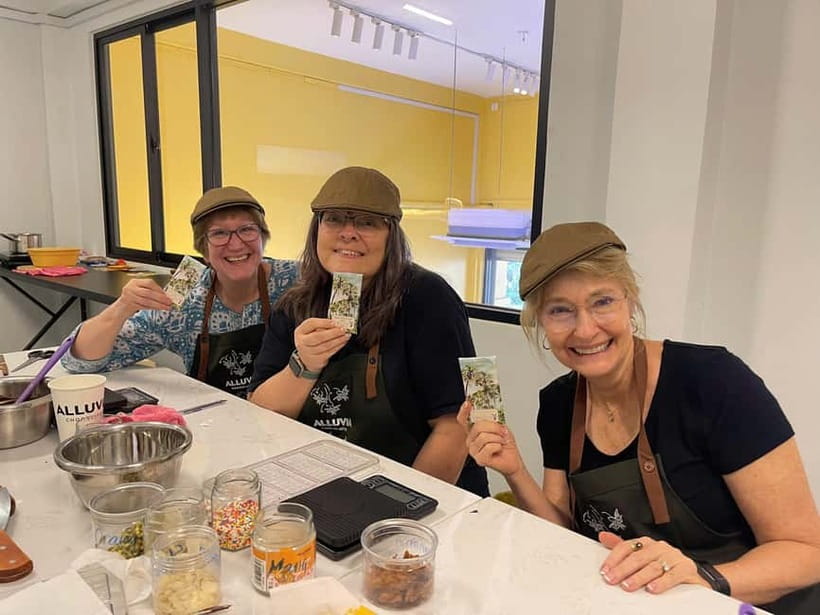
Once the bar is complete, you learn the traditional art of hand-wrapping it. This final touch makes the item feel more like a small handmade gift than a loose piece of food placed in a bag. It is also a practical souvenir, provided you protect it from Ho Chi Minh City’s heat after leaving the shop.
The finished bar is dark chocolate. If you usually prefer milk chocolate, this is worth noting before booking. You can still enjoy the creative process, but the flavor profile may be less sweet than what you normally choose.
Six truffles, six chances to be creative
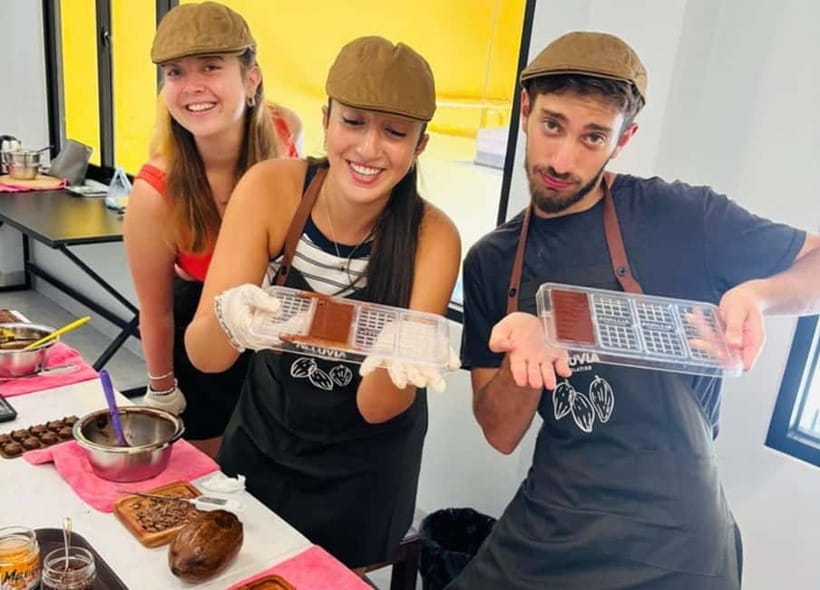
The second project is more decorative. You handcraft six chocolate truffles and decorate them with your own designs.
This part gives you more freedom than the bar. The six pieces are small, so you can try different patterns or finishes without worrying about ruining a large batch. The result is a set of bite-sized sweets that look personal rather than machine-made.
The truffle work also suits families. Children can take part, and adults have enough to do that the class does not feel like a children’s activity. The youngest participants must be between 4 and 6 years old, depending on the stated age requirement, so check the booking conditions carefully if you are bringing a very young child.
A parent should expect to stay involved. Chocolate decorating requires attention, and the class has rules about keeping the session calm. If a baby cries, the accompanying adult must step outside until the baby settles. That policy is fair to the rest of the group, but it is useful to know before you arrive.
You take the six truffles with you at the end. They are edible souvenirs, not just a photo opportunity. Handle them carefully on the way back to your accommodation, especially in warm weather.
The included iced chocolate adds a welcome pause
One iced chocolate made with quality cacao powder is included. It gives you something to sip while you work and lets you taste a prepared chocolate drink alongside the items you make yourself.
This is a small inclusion, but it improves the rhythm of the class. You are not working continuously from start to finish, and the drink offers a chance to pause and compare a smooth, prepared chocolate flavor with your own creations.
Extra food, drinks, or shop items cost more. Outside food and beverages are not allowed inside the store, so plan to use the included drink as part of the session rather than bringing refreshments from elsewhere.
The activity is not presented as a full meal. If you are hungry, eat beforehand or plan a separate meal after the workshop. The iced chocolate is a pleasant companion to the class, not a replacement for lunch or dinner.
More Chocolate Making Workshops in Vietnam:
- Alluvia Hoi An Chocolate Making Class
★ 4.5 · 12 reviews - Da Lat: Handmade Chocolate Workshop
★ 5.0 · 4 reviews - Vienna: Chocolate Workshop in Chocolate Museum w/ Tasting
★ 4.5 · 1,802 reviews - Brussels: Belgian Chocolate Making Workshop with Tastings
★ 4.7 · 1,629 reviews
What the $35 price really covers
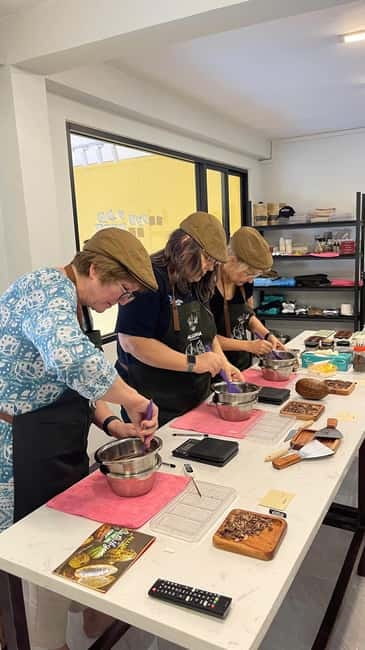
At $35 per person, the price covers more than a tasting. You receive an English-language class, use of the chocolate-making equipment, premium ingredients, one iced chocolate, and two types of take-home creation.
The value is strongest if you enjoy activities that teach a skill. You are paying for guided participation, not only for the retail value of 30g of chocolate and six truffles. If you only want to buy Vietnamese chocolate, a shop visit may cost less and give you more product. If you want a social class with something to make, eat, and carry home, the fee is easier to justify.
The shared format helps keep the price below a private lesson. It also means you may need to share the instructor’s attention with other people. A solo visitor can benefit from the group setting, while a couple or family should be prepared for other participants at the same table or in the same session.
The strongest value comes from the combination of local cacao context and hands-on work. You leave with more than a box from a shelf, but you should not book this expecting a long professional certification course or a large quantity of chocolate.
Why solo visitors and families can both enjoy it
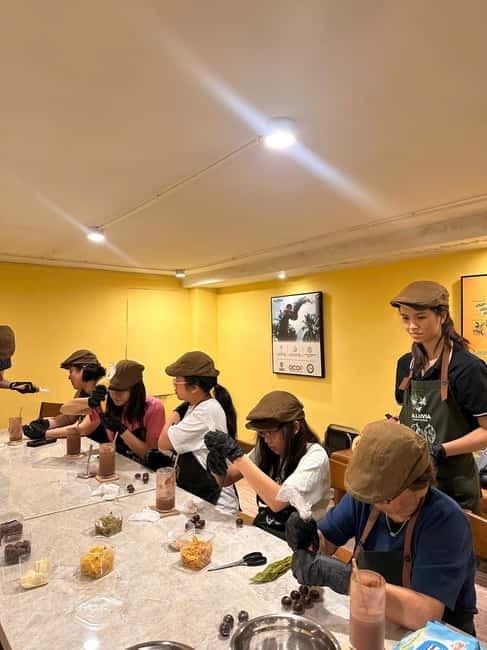
This workshop has a useful balance. It is social enough for a solo visitor, but structured enough for a family or couple.
A solo participant from Melbourne described the activity as a highlight of a Ho Chi Minh City trip, pointing to the English instruction, the bean-to-bar work, and the chance to meet other people. That makes sense: the process gives you natural conversation without requiring you to arrive with a group.
Families can take part together, and the class is described as child-friendly. Children get a clear task with an edible result, while adults can focus on the cacao lesson and the finer decorating work. Still, the age rule and baby policy mean this is not ideal for every family. Very young children who cannot participate should have another adult available to supervise them.
The class also suits anyone who wants a quieter food activity instead of a street-food walk. You stay at one address and work with chocolate in a guided setting. That makes it less physically demanding, though you miss the movement and wider city contact of an outdoor tour.
Important limits to consider before booking
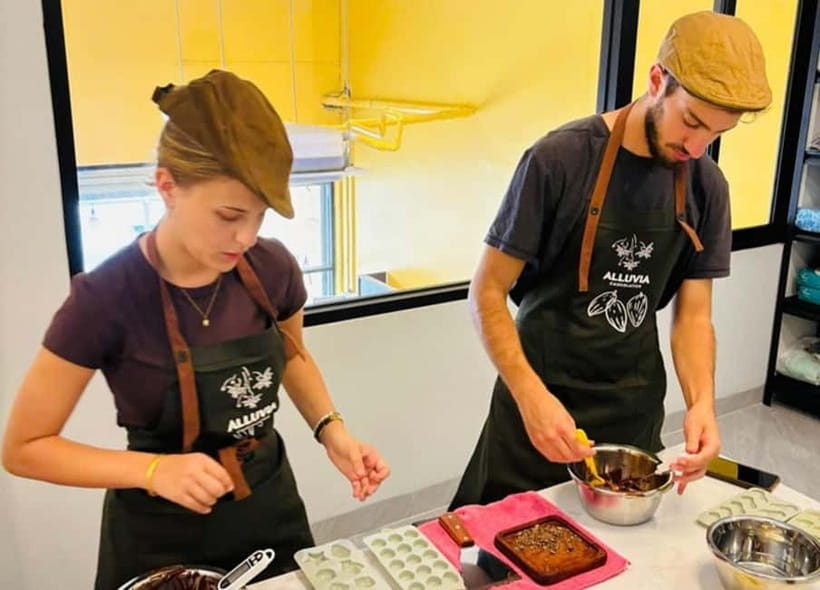
The clearest limitation is the shared format. If you want one-on-one instruction, a private setup, or full control over the timing, this is not the right choice. The session is a joint group workshop.
The experience is also unsuitable for pregnant women, people with diabetes, and people with food allergies according to the stated restrictions. Take those limits seriously. The class involves chocolate and other supplied ingredients, and the available information does not provide a full ingredient list or allergy-substitution plan.
The dark chocolate bar may also be a consideration for anyone who strongly prefers sweeter chocolate. You can enjoy the making even if dark chocolate is not your favorite, but the final bar is not described as milk chocolate.
Heat is another practical concern for your take-home items. The class does not promise special transport packaging beyond the hand-wrapping of the bar and the finished truffles. Keep them out of direct heat after leaving the shop, and avoid carrying them around the city for hours if you want them to arrive looking neat.
Cancellation is flexible up to 24 hours before the activity for a full refund. You can also reserve and pay later, which helps if your Ho Chi Minh City plans are still moving around.
How this compares with buying chocolate in Ho Chi Minh City
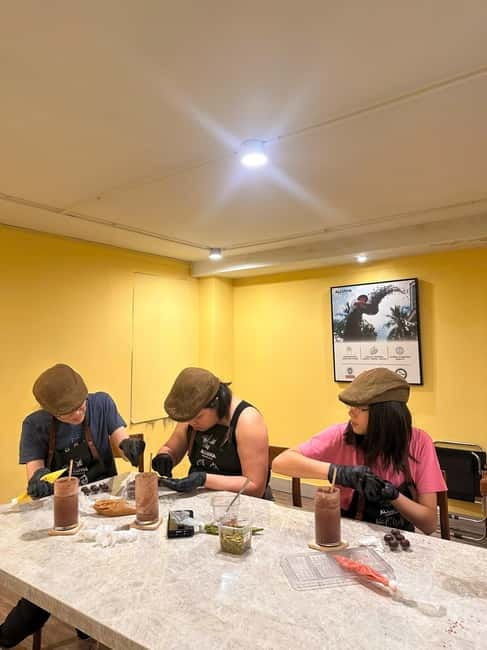
Buying chocolate is faster. You choose a bar, pay, and continue sightseeing. This class takes more time and gives you less finished product.
The workshop makes sense if you care about how chocolate is made. You hear about Vietnamese cacao, work with the ingredients, decorate truffles, and wrap your own bar. Those steps turn a familiar food into a local activity.
It is also a better souvenir for people who value a story. The chocolate you make carries a memory of the class, even if the finished pieces are small. That can be more satisfying than taking home another packaged item from a shop.
On the other hand, serious chocolate fans may want more technical detail, more tasting samples, or a longer production session. Those features are not promised here. The class aims for an accessible introduction, not advanced confectionery training.
Practical advice for a smooth class
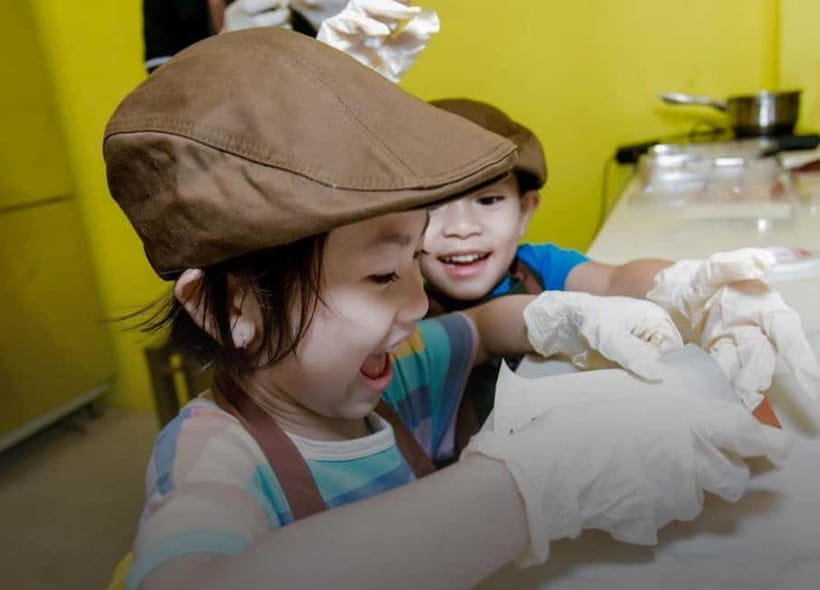
Arrive at 74B Le Loi Street with comfortable clothes and enough time to find the reception. Tell the receptionist you are attending the chocolate workshop, then follow the directions to the activity area.
Do not bring outside food or drinks. Smoking and making fire are prohibited, including indoors. If you are bringing a baby, be ready to step outside if the baby cries.
If you have a food allergy, diabetes, or are pregnant, do not book this activity based on assumptions about substitutions. The stated guidance lists it as unsuitable for these conditions.
For the best value, treat the class as a two-part activity: a short lesson about Vietnamese cacao followed by hands-on making. The bar and truffles are the souvenirs, but the process is the reason to pay the $35 fee.
Should you book the chocolate workshop?
Book it if you want a friendly, practical food activity in District 1, especially if you are traveling alone, visiting with children old enough to participate, or curious about Vietnamese cacao. The English guidance, included drink, two take-home projects, and approachable format make it a solid choice for beginners.
Skip it if you want a private class, a full meal, advanced chocolate training, or a large quantity of finished chocolate. Also skip it if the health and allergy restrictions apply to you.
For most suitable participants, this is a well-priced way to spend part of an afternoon or evening in Ho Chi Minh City. You learn where Vietnamese chocolate comes from, make something with your hands, and leave with a bar and six truffles that carry the memory of the class.
FAQ
Where does the chocolate workshop take place?
The workshop takes place at Alluvia Chocolate, 74B Le Loi Street, Ben Thanh Ward, District 1, Ho Chi Minh City.
Is hotel pickup included?
No. You must meet the group directly at the workshop location.
What should I say when I arrive?
Tell the receptionist that you are there for the chocolate workshop. The receptionist will direct you to the experience.
Is the workshop private?
No. It is a joint group workshop, so you will take part alongside other participants.
What will I make?
You will make one 30g dark chocolate bar and six chocolate truffles that you can take home.
Is a drink included?
Yes. One iced chocolate made with quality cacao powder is included during the workshop.
Is the activity offered in English?
Yes. English-speaking guides provide step-by-step instruction.
Can I cancel for a full refund?
Yes. You can cancel up to 24 hours in advance for a full refund.
Newest chocolate tours around Vietnam
- Full Day Experience to Farm and Chocolate★ 5.0 · 22 reviews
- Alluvia Hoi An Chocolate Making Class★ 4.5 · 12 reviews
- Bean to bar Chocolate Workshop in Ho Chi Minh City★ 5.0 · 10 reviews
- Phu Quoc: Bittersweet Chocolate Factory Tour & Workshop★ 4.5 · 38 reviews
- Da Lat: Handmade Chocolate Workshop★ 5.0 · 4 reviews
- Can Tho: Explore Mekong, Floating Market, Cacao & Local Life★ 4.9 · 21 reviews
- Can Tho: Floating Market, Cacao & Canals with French Guide★ 5.0 · 37 reviews
- Can Tho: Countryside Cycling Tour with Cocoa Farm Visit★ 5.0 · 2 reviews
Bean-to-Bar Chocolate Tours, compared.
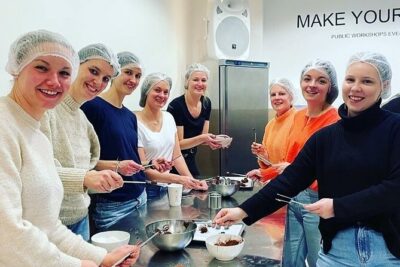
1.5h Belgian Chocolate Workshop in Brussels (bean to bar)
Read our review →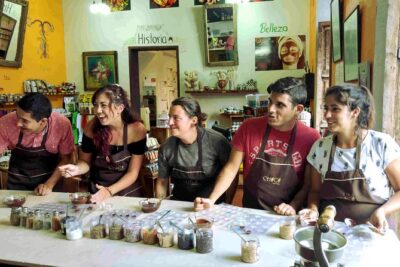
Bean to Bar Chocolate Workshop in Puerto Vallarta
Read our review →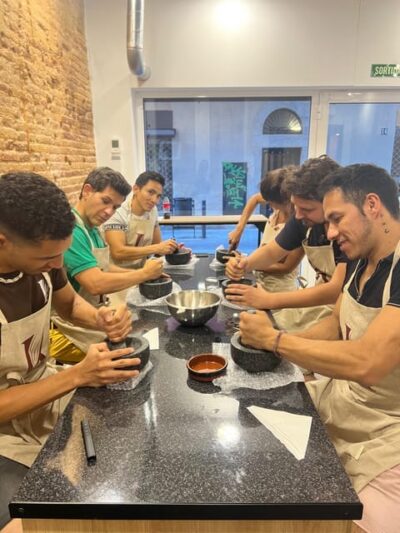
Project Chocolat Bean to Bar Experience from Hotel Chocolat
Read our review →
Puerto Viejo hands on chocolate making class. From bean to bar, get chocolatey!
Read our review →
Chocolatier for a day: raw bean to bar chocolate in Modica
Read our review →
KAICAO bean to bar and design your chocolate experience
Read our review →Browse the lists this tour appears in